
Why Clogged Gutters Lead to Roof Leaks in Mahoning County Winters
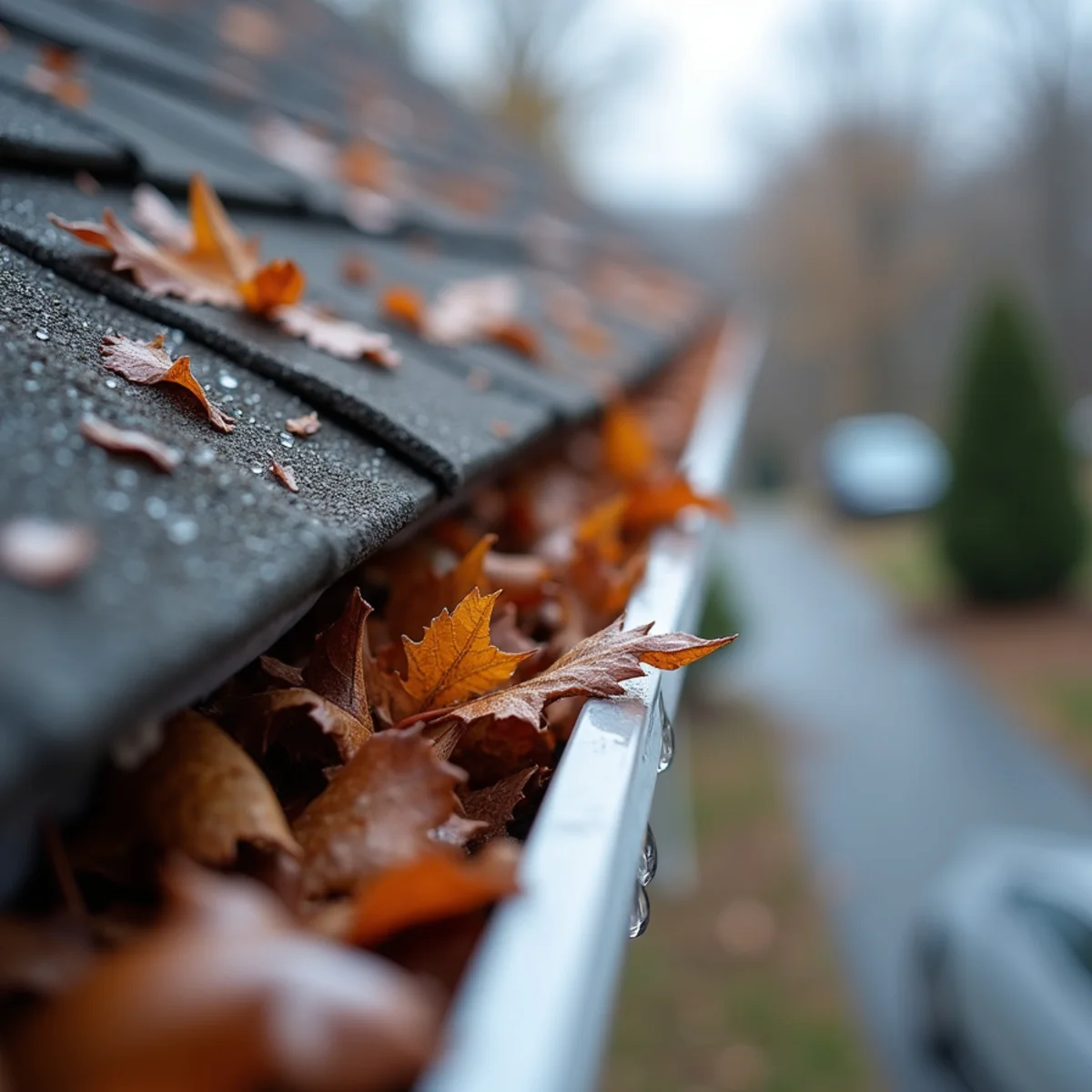
Clogged gutters trigger severe winter roof leaks because decomposed leaves and pine needles block downspout outlets, turning standing runoff into solid 400-pound ice dams. When winter snow melts, water cannot drain, backing up over the metal drip edge and capillary-wicking beneath lower shingle courses into wooden fascia, soffits, and interior ceilings.
In the Mahoning Valley, neighborhoods in Poland, Girard, Canfield, and Youngstown are celebrated for their mature tree canopies of towering pin oaks, sugar maples, and white pines. Come October and November, however, those beautiful trees deposit bushels of dry leaves, pine needles, and seed pods directly onto residential roofs and into gutter troughs.
While overflowing gutters during a June thunderstorm are certainly messy, clogged gutters during a Northeast Ohio winter are a structural disaster. Decomposed organic matter traps water that turns into solid ice blocks, converting your exterior drainage system into an engine that pumps meltwater straight into your home's roof deck and wall cavities.
The Autumn Sludge to Winter Ice Block Pipeline
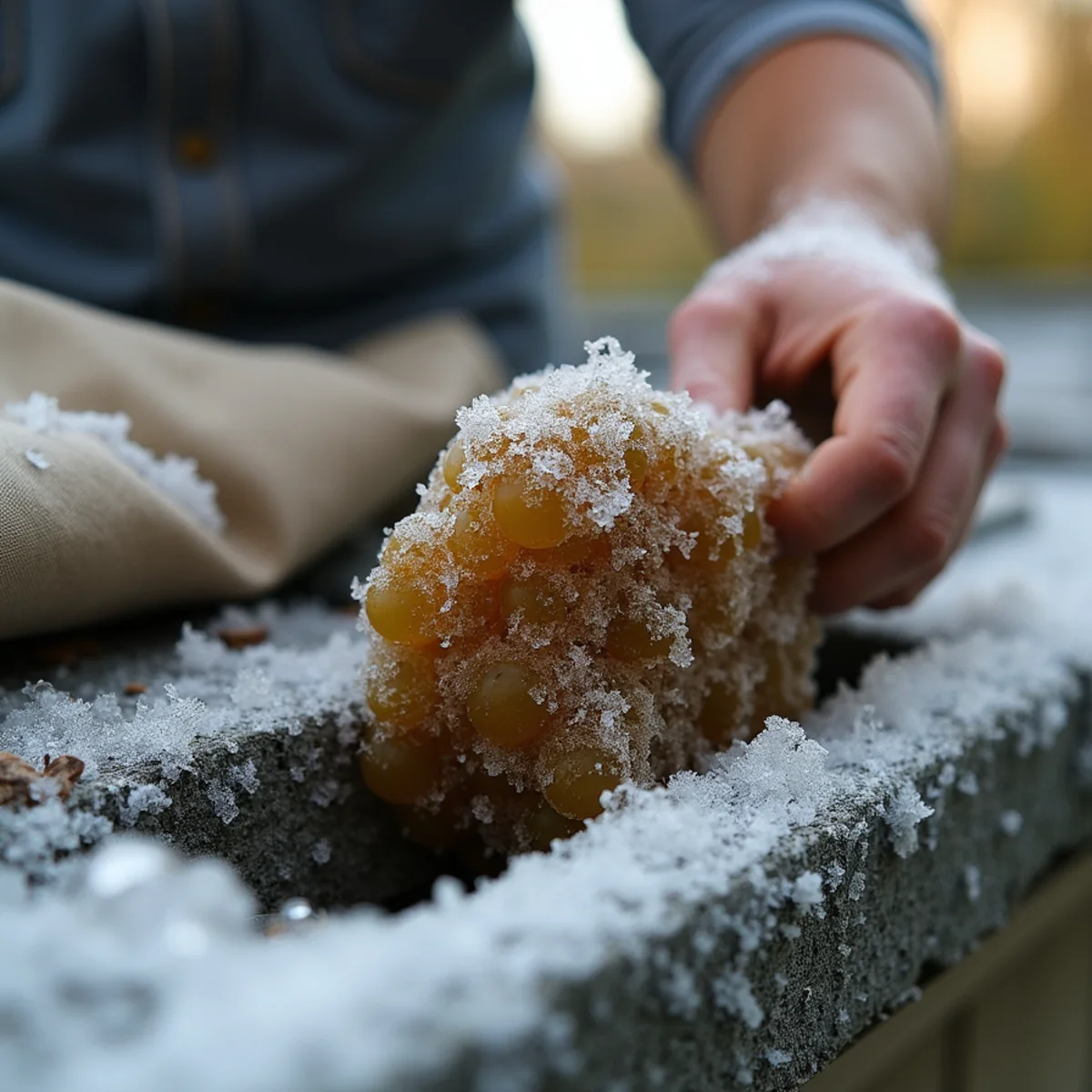
During late autumn, decaying leaves mix with roof granules and rainwater to create a dense, water-logged organic sludge that acts like a cork inside downspout drop outlets. Because water cannot drain downward, the entire 5-inch gutter trough fills with standing water.
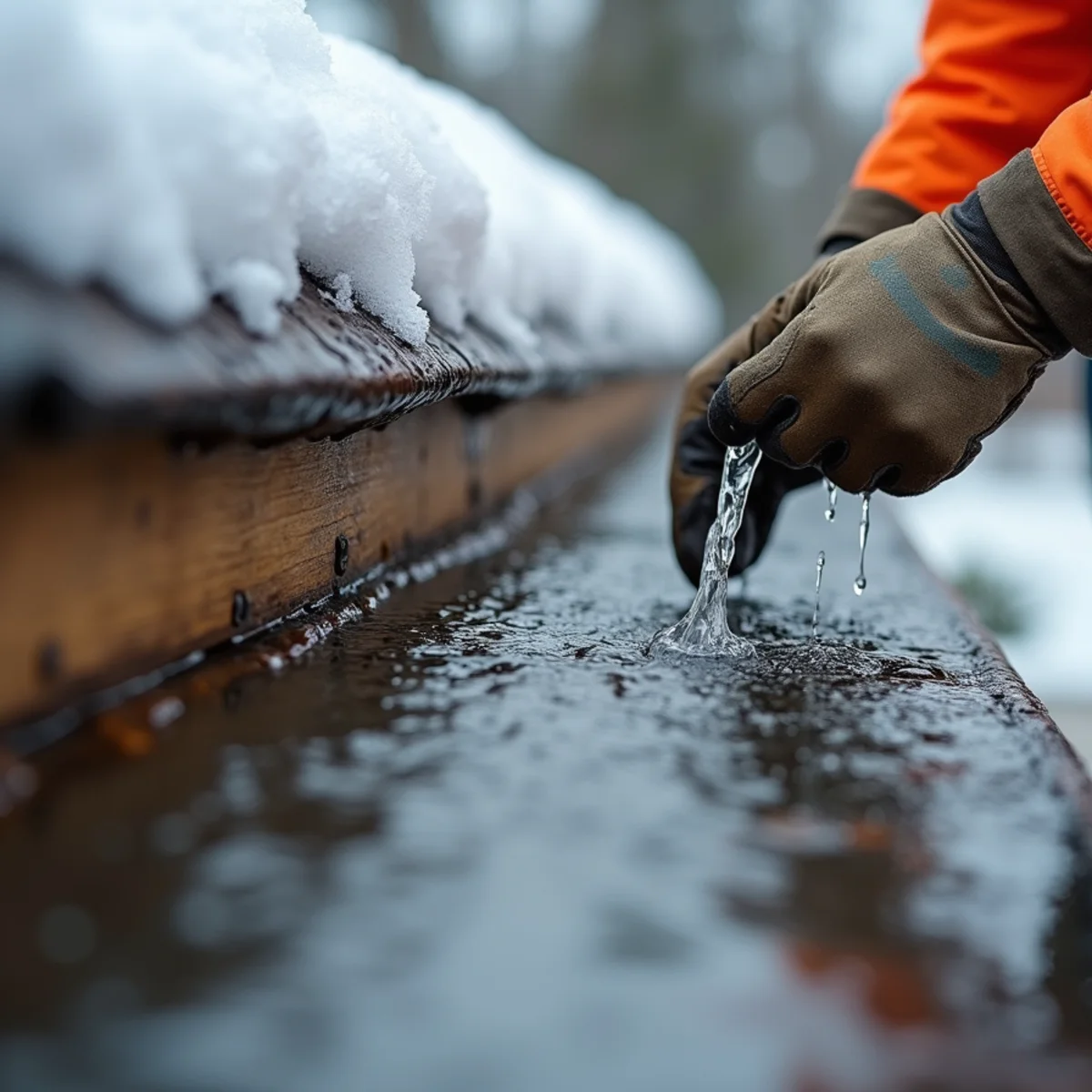
When the first arctic freeze hits Mahoning County in December, that standing reservoir freezes solid. Because water expands by 9% when freezing, it creates a continuous block of ice running the entire length of your roofline. The gutter can no longer fulfill its primary engineering purpose: removing water from the perimeter of the roof envelope.
Capillary Siphon & Backwater: How Submerged Drip Edges Fail
As sunny winter days warm the upper roof slopes, melted snow trickles down toward the eaves. When this liquid runoff hits the frozen gutter trough, it has nowhere to escape. The water quickly fills the remaining space, submerging the bottom edge of the metal drip edge.
Water then finds the path of least resistance. Through capillary action and surface tension, meltwater wicks backward behind the metal drip edge apron, traveling upward beneath the lower course of starter shingles. If the roof lacks an elastomeric self-adhering ice-and-water barrier extending past the interior heated wall line, this standing water penetrates the raw plywood decking seams and drips directly into exterior walls.
Fascia Board Dry Rot and Soffit Moisture Infiltration
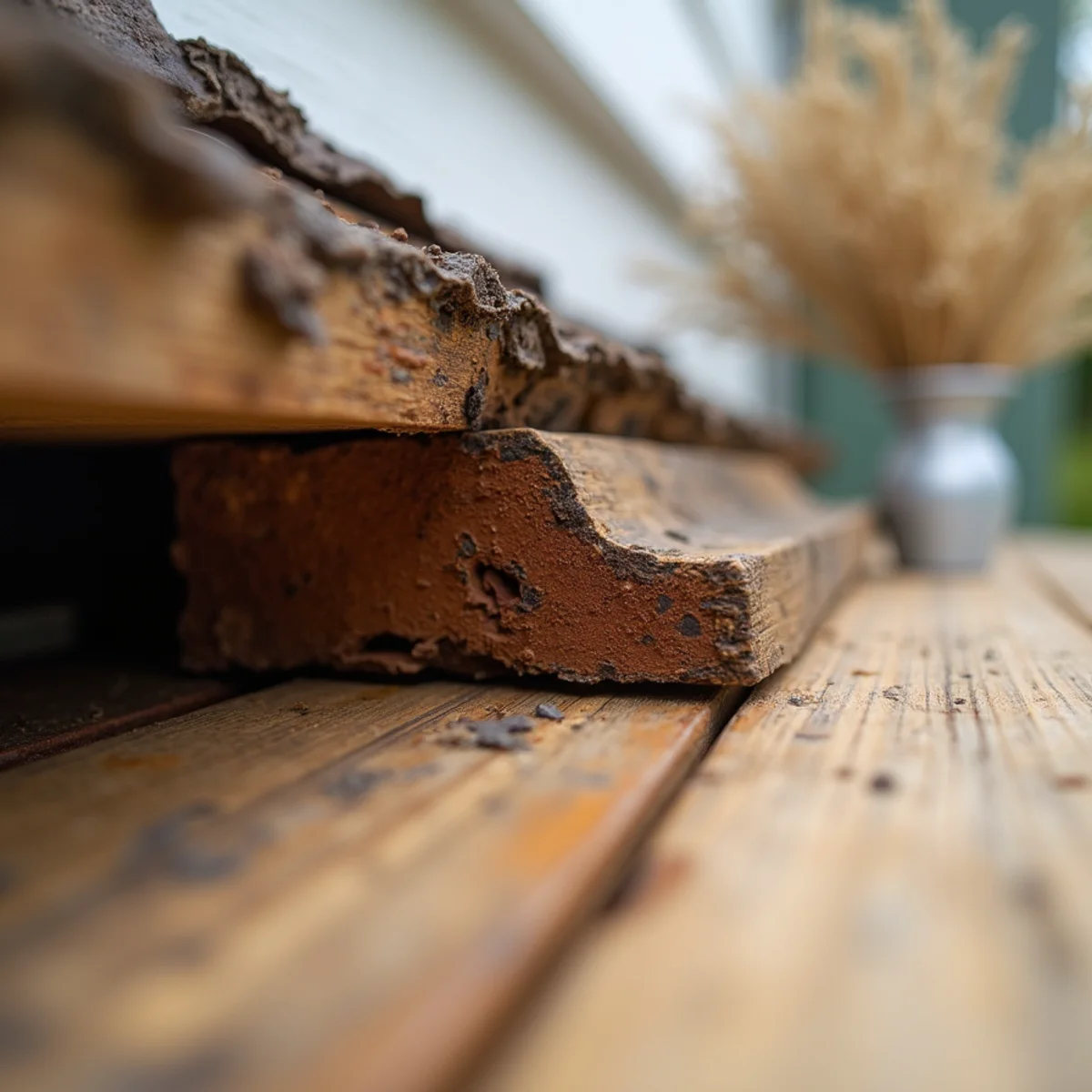
Gutters filled with heavy ice remain frozen against wooden fascia boards for weeks at a time. The continuous contact with moisture saturates exterior wood primer and paint, allowing fungal dry-rot spores to digest the wood cellulose fibers.
Over two or three seasons of chronic winter gutter overflow, solid pine fascia boards turn soft and spongy. The wood rot rapidly migrates inward into rafter tails, soffit vent panels, and attic insulation, creating an ideal nesting environment for carpenter ants, termites, and mice.
The 400-Pound Deadweight Risk: Gutter Spike Tearing
Liquid water weighs approximately 8.34 pounds per gallon, but dense ice and compacted leaf sludge can weigh upwards of 12 to 14 pounds per linear foot. A 40-foot gutter run packed solid with frozen muck easily exceeds 400 to 550 pounds of deadweight.
Traditional 5-inch gutters fastened with smooth 7-inch spikes and ferrules cannot support this sustained gravitational load. The expanding ice leverages the spikes loose, pulling them out of the rotting fascia boards. It is common across Girard and Youngstown to see gutters completely torn off the house following January storms, taking aluminum drip edge metal, shingle overhangs, and fascia with them.
Upgrading to 6-Inch Seamless Gutters with Hidden Screw Hangers
The modern architectural defense against winter gutter failure is upgrading to heavy-gauge 0.032-inch seamless 6-inch aluminum K-style gutters. Six-inch gutters hold 40% more volume than builder-grade 5-inch troughs, providing ample room for winter runoff even when slush is present.
Crucially, Zana Roofing secures all gutter systems using internal heavy-duty aluminum hidden hangers fastened with 1-1/2-inch zinc-coated structural screws driven directly into rafter tails every 24 inches. Hidden screw hangers hold over 300 pounds of vertical load per bracket, resisting ice wedging without ever backing out.
The Truth About Gutter Protection in Ohio Snowbelts
Many homeowners inquire about gutter guards. In cold climates, reverse-curve solid helmets often freeze over solid, allowing winter runoff to sheet across the front like a ski jump. We recommend surgical-grade stainless-steel micro-mesh guards (such as Shur Flo or LeafFilter grade). The micro-mesh keeps 100% of leaves and pine needles out during autumn while allowing melting snow to pass cleanly into the heated interior trough for safe winter discharge.
| Gutter Condition | Winter Runoff Velocity | Ice Dam Acceleration Risk | Deadweight Load on Fascia | Roof Leak Probability |
|---|---|---|---|---|
| Clogged with Oak/Maple Leaves | 0% (Completely blocked downspouts) | Severe (Trough freezes into solid ice dam) | 350 – 550 lbs per 40-ft run | 90%+ (Backflow wicks under drip edge) |
| Standard 5" Gutters with Spikes | Low (Restricted by ice slush) | High (Spikes back out under ice thrust) | 200 – 300 lbs per 40-ft run | 65% (Spike holes allow water into rafter tails) |
| Clean 5" Gutters (Pre-Winter Cleaned) | Moderate (Clear path to downspouts) | Low to Moderate (Normal icicles only) | 60 – 100 lbs (Normal slush) | 20% (Adequate if roof ventilation is sound) |
| Seamless 6" Gutters + Micro-Mesh | Maximum (Continuous unimpeded flow) | Virtually Zero (Leaves cannot enter; water sheds) | Minimal (Clean aluminum trough) | < 5% (Guaranteed drainage path away from eaves) |
On older homes in Girard and Poland, we routinely discover gutters mounted with 1970s-era 'spike and ferrule' fasteners—large 7-inch galvanized nails driven through aluminum tubes into wooden fascia boards. When gutters clog with wet autumn leaves and freeze in December, the expanding ice exerts immense outward levering force on the spikes. As water freezes and thaws, the smooth spikes are jacked out of the wood grain by 1 to 2 inches. The loose gutter sags, breaking the critical overlap seal between the roof aluminum drip edge and the back gutter apron. When January snow melts, water pours behind the gutter, running down the exterior wall sheathing and rotting rafter tails. At Zana Roofing, we replace obsolete spikes with heavy-duty 1-1/2-inch self-tapping internal hidden screw hangers driven into solid rafter tails every 24 inches.
Related Local Roofing Services & Coverage
Experiencing issues highlighted in this guide? Our certified roofing crews provide expert seamless gutter installation with rapid response times across Girard and Poland.
Custom-formed 6-inch seamless aluminum gutters and micro-mesh leaf guards.
Rapid response repairs for eave leaks, rotted fascia, and winter damage.
Full tear-offs with integrated drip edge metal and cold-climate ice protection.
Frequently Asked Questions
Zana Roofing & Construction
Family-owned roofing contractor proudly serving Youngstown and the Mahoning Valley since 2020. Specializing in residential and commercial roof replacement, storm restoration, and 24/7 emergency leak mitigation.