What Happens During a Professional Roof Inspection?

A professional roof inspection is an exhaustive 21-point physical and attic diagnostic evaluating roof decking, rafters, shingle adhesion, flashings, and ventilation. Certified inspectors physically walk the roof slopes, conduct thermal infrared rafter moisture scans, inspect critical chimney and valley flashings, and deliver an annotated digital photo report detailing remaining lifespan, defects, and clear repair recommendations.
A genuine professional roof inspection is vastly different from a salesperson glancing at your roofline from the driveway or walking around with a clipboard for five minutes. In Northeast Ohio, where residential roofs endure lake-effect blizzards, freeze-thaw expansion, golf-ball hail, and 70-mph summer squall lines, an inspection must be an exhaustive, forensic engineering assessment of the entire roofing envelope.
At Zana Roofing & Construction, our factory-certified inspectors conduct a comprehensive 21-point diagnostic protocol that covers both the exterior roofing field and the critical interior attic cavity. Whether you are assessing storm damage in Howland Township, buying a historic home in Liberty Township, or evaluating an aging roof before winter, here is exactly what our certified inspection entails.
Beyond the Driveway Glance: The Engineering Standard
A driveway glance cannot detect debonded thermal seal strips, cracked neoprene pipe boots, or rotted plywood decking beneath an intact-looking shingle. An authentic inspection requires physical access to every slope, hands-on mechanical testing of flashings, and thorough exploration of the unconditioned attic space.
Our inspectors are OSHA-trained and equipped with specialized diagnostic instruments, including digital moisture meters, FLIR thermal imaging cameras, pitch gauges, shingle life-expectancy scales, and high-resolution aerial cameras. This forensic approach ensures that every microscopic defect is identified before water breaches interior drywall.
Phase 1: The Interior Attic Diagnostic (Framing, Moisture & Ventilation)
Our inspection always begins inside the house. The underside of your roof reveals issues that are invisible from the outside:
Decking and Structural Framing Integrity

We enter the attic to inspect the underside of the wood roof deck (whether modern OSB or historic tongue-and-groove pine planks). We look for dark water staining along rafter chords, black fungal mildew spots, sagging decking spans, and 'shiners'—protruding roofing nails that exhibit heavy frost or rust from trapped humidity.
Attic Thermodynamics and Ventilation Balance
We evaluate the ventilation balance between intake airflow (soffit vents) and exhaust airflow (ridge vents or box louvers). In thousands of Mahoning County attics, blown-in insulation has slipped into eaves, completely blocking soffit vents. This starves the roof of fresh air, trapping furnace heat that triggers catastrophic winter ice dams and cooking shingles from below during hot July heatwaves.
Phase 2: Shingle Surface and Mat Analysis
Moving to the exterior roof surface, our inspectors systematically evaluate each facet:
Thermal Sealant Bond Strength
We test the adhesion of the factory asphalt sealant strip on random shingles across each exposure. In aged or wind-damaged roofs, brittle sealant strips detach, allowing wind to flutter the shingles. Once unsealed, tabs act like sails during the next thunderstorm.
Granule Depletion and UV Degradation
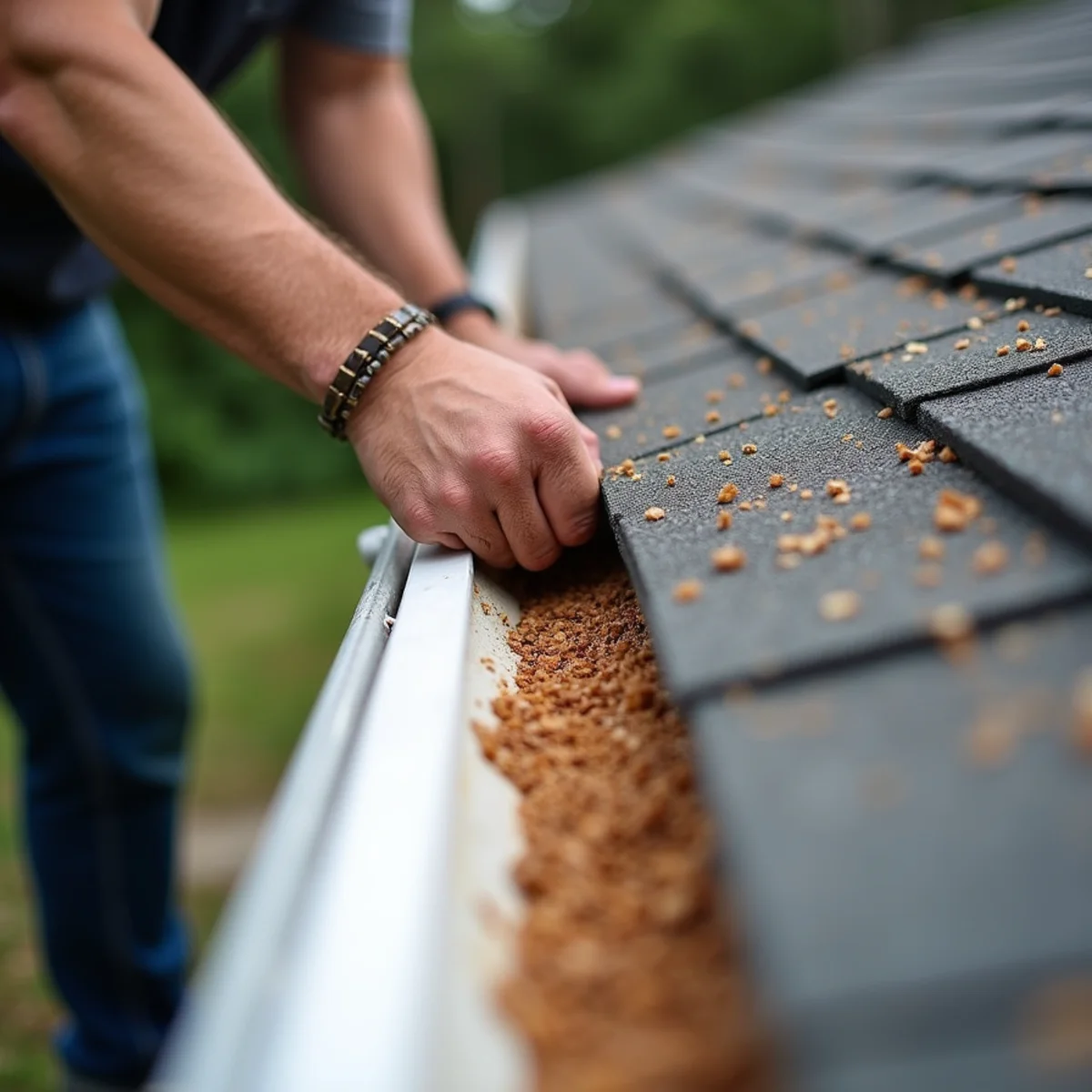
We check gutter channels, valley troughs, and downspout discharge zones for mineral granule accumulation. Granules shield asphalt from ultraviolet radiation. When severe granule loss occurs, underlying black asphalt dries out, develops spiderweb micro-fissures, and rapidly absorbs rainwater.
Phase 3: Flashing and Penetration Integrity (Where 80% of Leaks Originate)
The vast majority of emergency roof repairs in Youngstown involve flashing junctions rather than shingle field failures:
Chimney Counter and Step Flashing
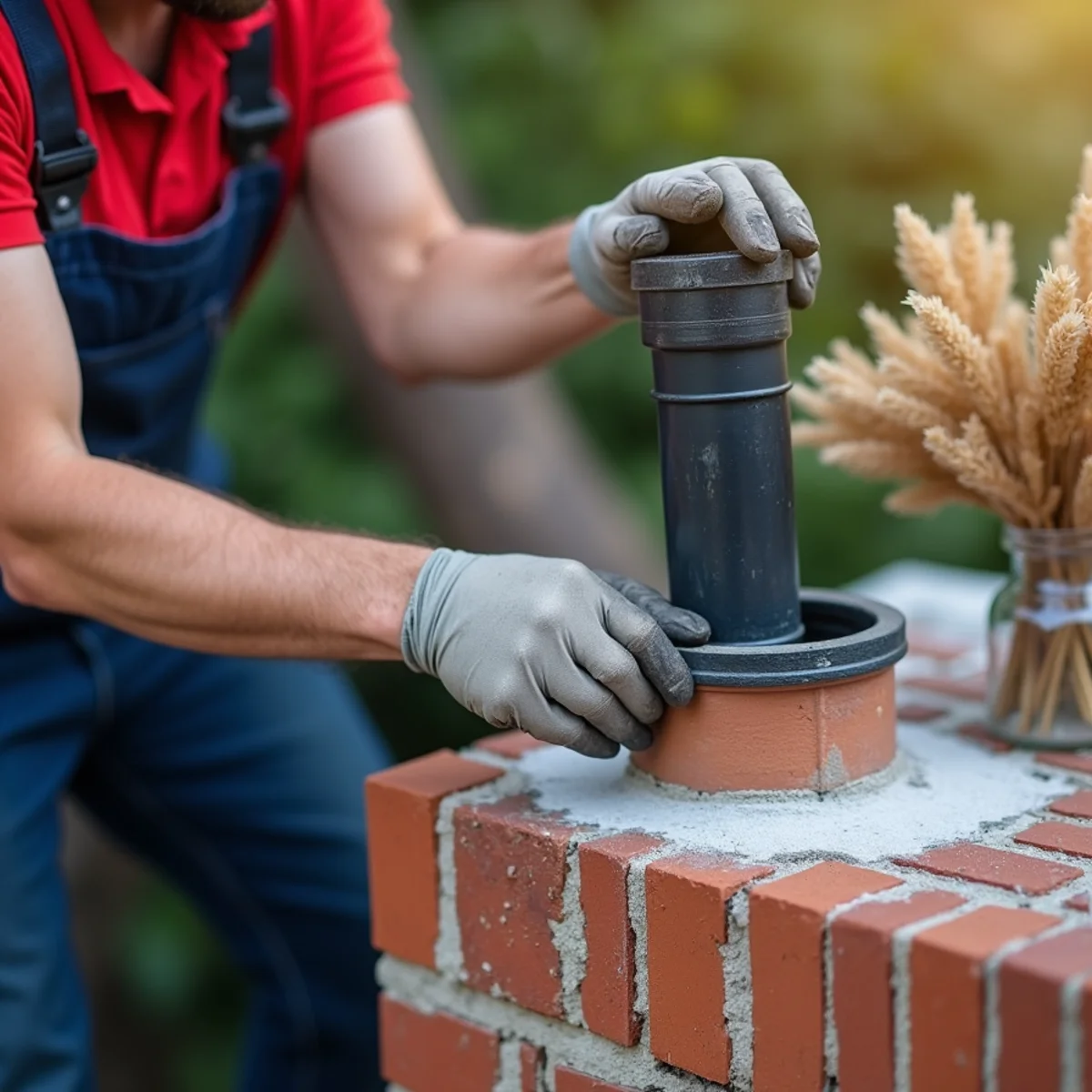
Brick chimneys expand and contract at different rates than surrounding wood roof decks. We probe mortar reglet joints, verify that step flashings are individually woven into shingle courses, and check the cricket (the small pitched diverter roof behind chimneys wider than 30 inches) to prevent debris damming.
Plumbing Stacks and Exhaust Flashing
Plumbing vent pipes emerge through rubber boots. In Northeast Ohio, UV exposure and winter ozone cause standard neoprene rubber collars to dry-rot and split within 6 to 9 years. We physically test collar elasticity and inspect all mechanical kitchen and bathroom exhaust dampers.
Phase 4: Drainage, Eave Details & Fascia Integrity
At roof perimeter edges, we examine aluminum drip edges to ensure proper overlap into gutter troughs. We verify that gutters maintain a consistent minimum slope of 1/4-inch per 10 feet toward downspouts to prevent stagnant water, and we probe fascia boards behind gutters with awls to detect hidden dry rot.
The Deliverable: Your 21-Point Annotated Photo Report
Within 24 hours of inspection completion, you receive a detailed digital diagnostic report. We do not provide vague verbal summaries. Every finding is backed by annotated, high-resolution photographs showing exactly what our inspectors discovered, accompanied by objective explanations, remaining lifespan estimates, and itemized scopes of work for any recommended repairs.
| Inspection Category | Specific Components Examined | Key Failure Indicators | Diagnostic Tools Used |
|---|---|---|---|
| Attic & Decking | Underside of decking, rafter chords, collar ties | Dark water staining, white mold/mildew, rusted nail shanks, decking deflection | FLIR Thermal Infrared Camera, Delmhorst Digital Moisture Meter |
| Attic Ventilation | Soffit intake airflow, ridge exhaust, baffle clear paths | Crushed insulation over soffits, hot attic dead air, mold on northern rafters | Anemometer air velocity meter, temperature differentials |
| Shingle Surface | Granule retention, tab bond adhesion, thermal cracks | Exposed fiberglass mat, wind crease lines, brittle or debonded sealant strips | Calibrated shingle thickness gauge, manual adhesion peel test |
| Storm Damage | Hail impact fractures, wind uplift tears, impact bruising | Circular granule displacement, fractured fiberglass substrate, creased shingle tabs | HAAG engineering 100 sq ft test squares, high-lumen inspection lights |
| Flashings & Walls | Chimney counter-flashing, dormer step tins, valley metal | Cracked mortar joints, lifted step flashing, missing kickout diverters | Telescoping inspection mirror, seam probe tester |
| Penetrations | Plumbing vent pipe boots, exhaust caps, skylight curbs | UV-cracked neoprene gaskets, separated caulking, skylight condensation seal failure | Manual gasket elasticity check, perimeter sealant probes |
| Eaves & Drainage | Drip edge overlap, gutter slope, fascia board soundness | Rotten fascia behind gutters, ponding water, gutter joint leaks, missing ice barrier | Digital torpedo level, non-destructive moisture meter |
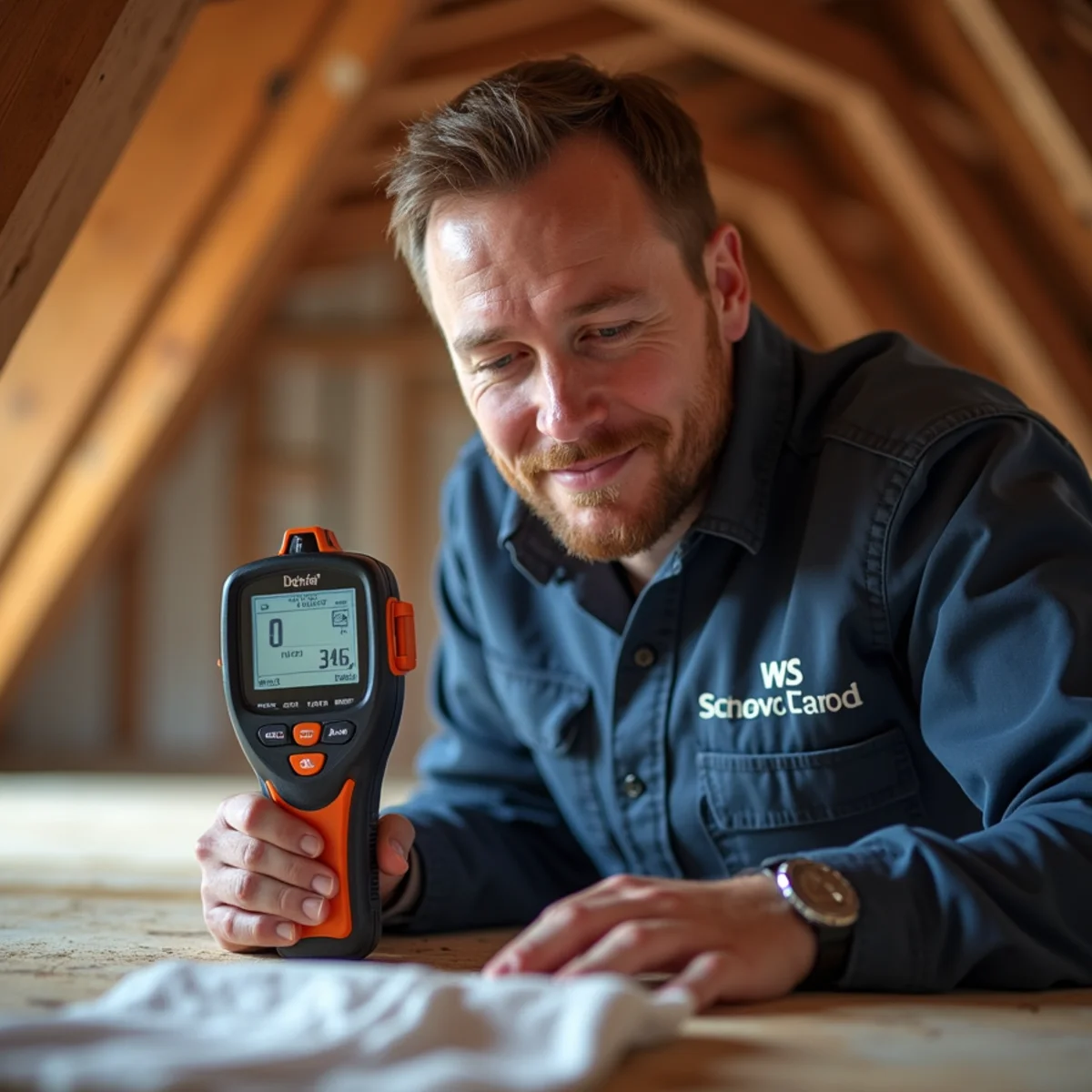
Water rarely travels in a straight line. In our Howland and Liberty Township inspections, we regularly encounter roof leaks where water penetrates a failing chimney flashing, runs 12 feet down the top of a rafter truss, travels horizontally across an electrical conduit, and saturates blown-in cellulose attic insulation. By the time a brown stain appears on second-floor ceiling drywall, the wood decking has often rotted out and insulation R-value is ruined. During our physical attic inspection, our technicians scan rafter bays using calibrated FLIR infrared thermal cameras. Wet insulation evaporatively cools, showing up as a distinct dark purple temperature delta on the screen, allowing us to pinpoint microscopic leaks before structural framing is damaged.
Related Local Roofing Services & Coverage
Experiencing issues highlighted in this guide? Our certified roofing crews provide expert professional roof inspection with rapid response times across Howland Township and Liberty Township.
21-point photographic roof and attic structural evaluation.
Rapid response repairs for flashing leaks, storm damage, and missing shingles.
Complete residential tear-off and Owens Corning Duration roof systems.
Frequently Asked Questions
Zana Roofing & Construction
Family-owned roofing contractor proudly serving Youngstown and the Mahoning Valley since 2020. Specializing in residential and commercial roof replacement, storm restoration, and 24/7 emergency leak mitigation.