
Lake-Effect Snow and Your Roof: What Trumbull and Mahoning County Homeowners Should Know
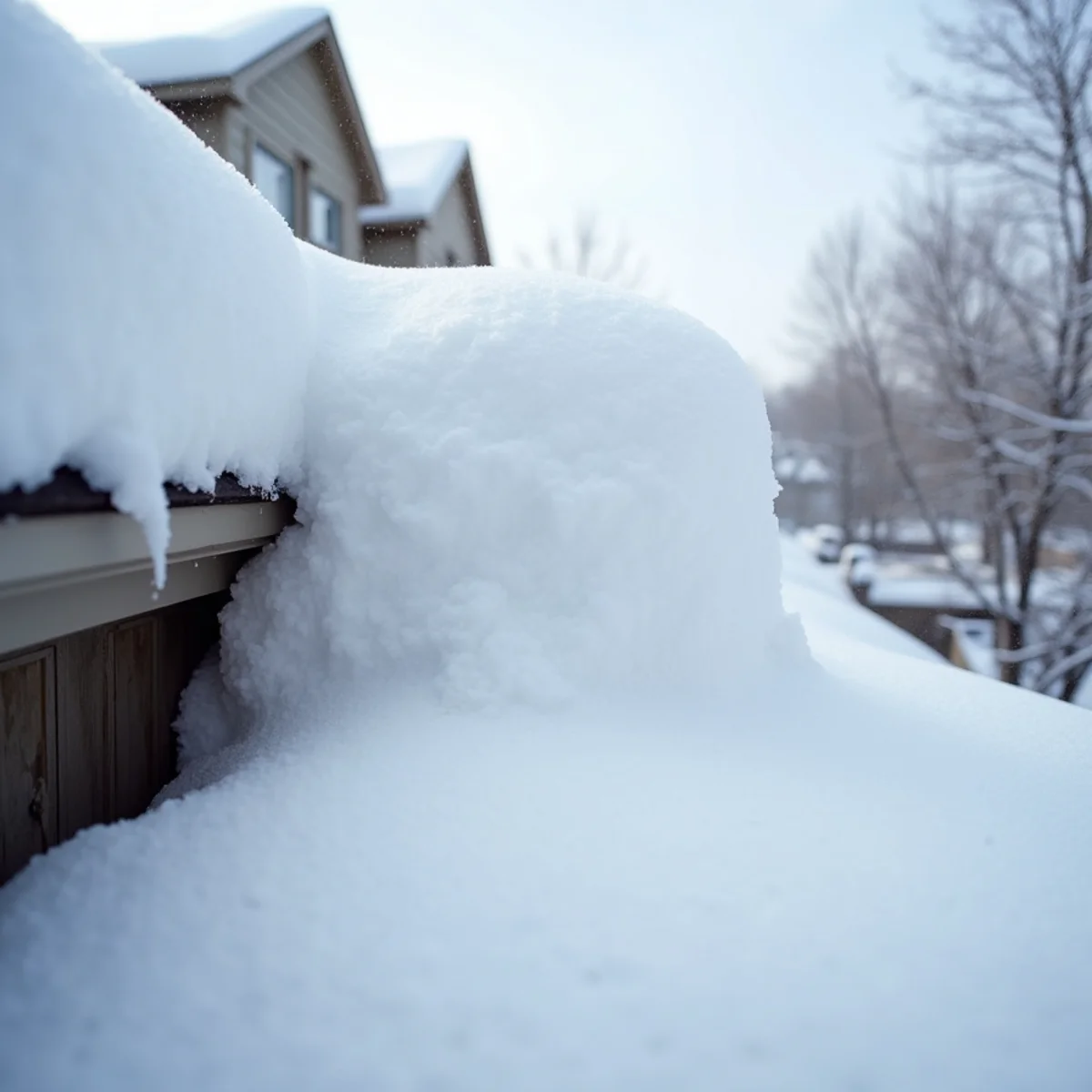
Lake-effect snow squalls dump dense, moisture-laden snowpacks exceeding 20–25 lbs per cubic foot across Trumbull and Mahoning Counties. This concentrated weight causes severe rafter deflection, deep valley drift loads, and destructive eave ice dams. Preventing winter roof failure requires cold-roof attic thermodynamics, extended 6-foot ice-and-water barrier membranes, and professional low-pressure steam mitigation.
Positioned just 45 miles south of Lake Erie, Trumbull and Mahoning Counties sit squarely in the secondary snowbelt of Northeast Ohio. When frigid Canadian arctic fronts push south across the open, unfrozen waters of Lake Erie in December and January, they absorb massive volumes of thermal moisture and dump intense, narrow bands of lake-effect snow over Warren, Youngstown, Cortland, and Boardman.
A single lake-effect squall can drop 14 to 26 inches of heavy snow within an eight-hour window. Unlike dry Midwestern powder, lake-effect snow in the Mahoning Valley is dense, moisture-laden, and prone to rapid compaction. For residential roof assemblies, this presents three severe threats: structural deflection, valley overload, and chronic ice damming.
The Lake Erie Snow Machine: Why Our Snow Is Heavier
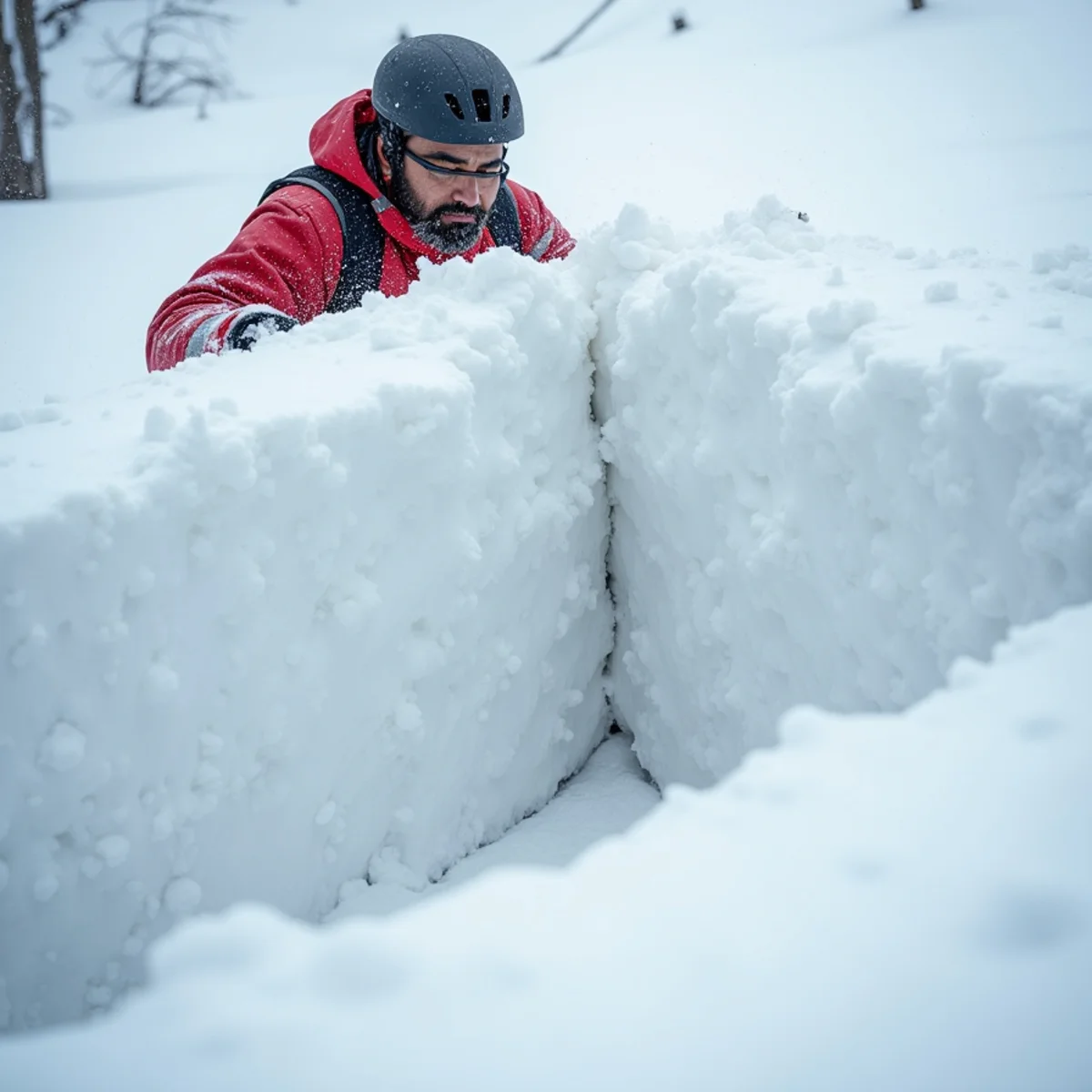
The physics of lake-effect snow makes it exceptionally dangerous to residential structures. Cold air crossing a warmer lake produces large, wet snowflakes with high water content. As successive bands sweep over the region, the weight of newly fallen snow compacts the lower layers into dense, icy slush.
While dry powder weighs roughly 5 pounds per cubic foot, compacted lake-effect snow in Mahoning County routinely reaches 20 to 25 pounds per cubic foot. If a winter warm-up brings rain onto an existing snowpack, that density surges past 32 pounds per cubic foot, turning a 15-inch snowpack into thousands of pounds of concentrated deadweight across your home's framing.
Unbalanced Snow Drift Loads in Valleys and Dormers
The most common structural hazard is not uniform snow load, but 'unbalanced drift loading.' High winter winds blowing across ridges create aerodynamic eddy currents on lee slopes. Roof valleys, dormer step flashings, and lower porch roof connections act as natural collection troughs.

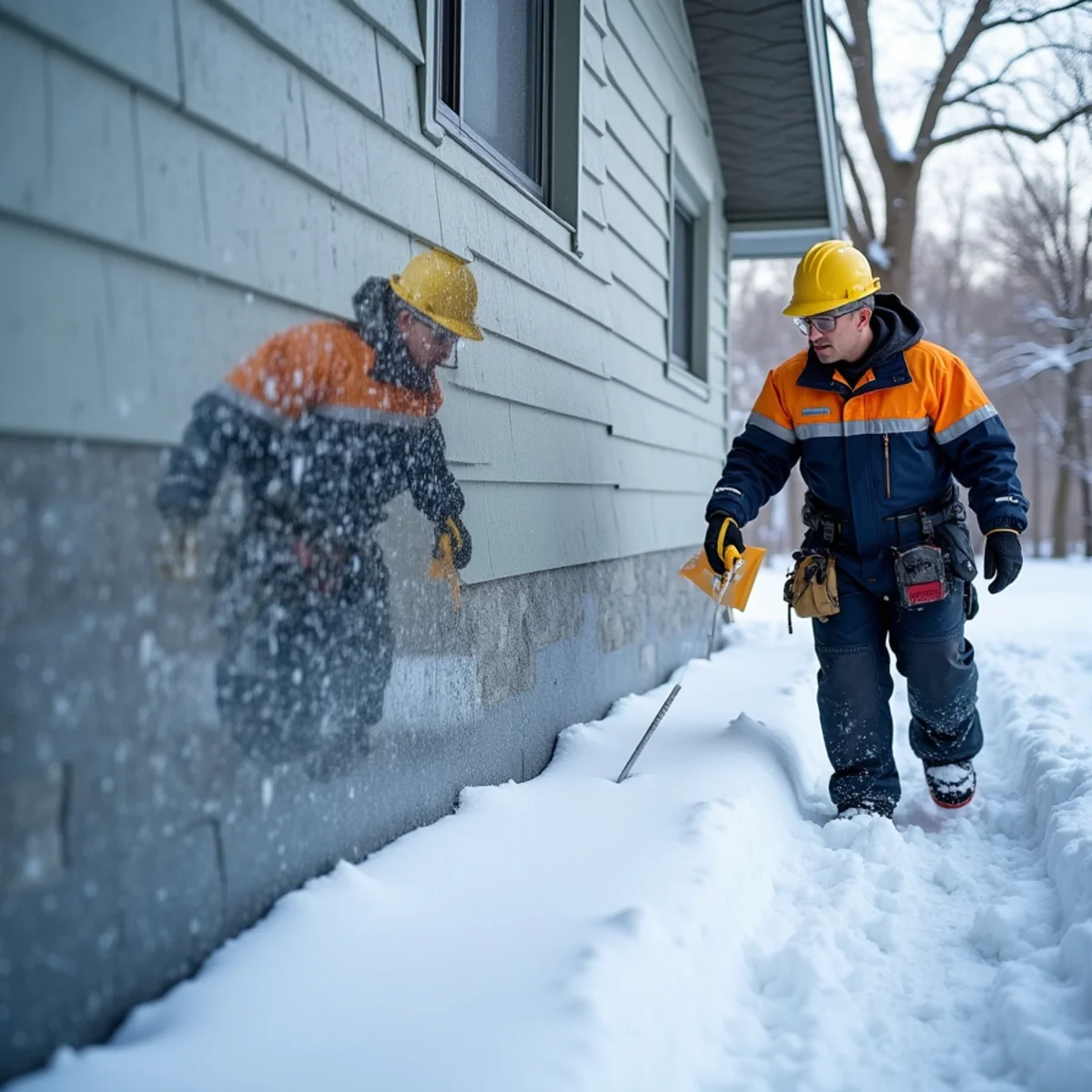
In communities like Canfield and Howland, our inspectors frequently find three-foot drifts accumulated on one slope of a roof while the opposing windward slope is blown clean. This uneven loading exerts asymmetrical torque on roof trusses and collar ties, pushing rafters out of alignment and cracking second-floor ceiling drywall joints.
The Freeze-Thaw Damming Cycle: How Snowpacks Destroy Shingles
When a thick snowpack blankets your roof, it acts as an insulating blanket. If heat escapes from your living quarters into an unconditioned attic, the underside of the roof deck warms above 32°F. The snow touching the shingles begins to melt, sending water trickling down the roof pitch under the snow blanket.
When this meltwater reaches the unheated eave overhangs—which remain at outside ambient temperature—it instantly refreezes. Layer upon layer of ice builds up, forming a physical dam along the gutters. Trapped meltwater has nowhere to drain, pools backward under the shingle courses, and leaks through nail penetrations into attic insulation.
Cold-Roof Engineering: The 3 Elements That Prevent Melting
The permanent engineering solution to lake-effect snow damage is establishing a 'cold roof' assembly. A cold roof maintains attic deck temperatures identical to the outdoor air, preventing the snowpack from melting prematurely:
1. Continuous Low-Eave Intake Airflow
Perforated aluminum soffit vents or eave edge intake vents supply a constant stream of cool, fresh outdoor air into the lowest portion of the attic space, sweeping warm air away before it contacts the roof deck.
2. High-Efficiency Ridge Exhaust
External baffle ridge vents create a low-pressure vacuum as wind blows over the peak, actively pulling warm air up and out of the attic.
3. Air-Sealing Attic Bypasses and R-60 Thermal Insulation
Sealing open plumbing chases, electrical junction boxes, and attic access hatches stops heated interior air from leaking into the attic. Covering attic floors with R-49 to R-60 blown-in cellulose keeps living warmth inside the home.
Extended Ice Barrier Defense: Beyond the Standard Code
The Ohio Residential Building Code mandates that self-adhering ice-and-water barrier membrane extend 24 inches inside the exterior heated wall line. In the Mahoning Valley snowbelt, this minimum code standard is inadequate for lake-effect drifts, which routinely push ice dams 4 to 5 feet up the roof slope.
At Zana Roofing & Construction, our snowbelt specification installs two full courses (6 feet) of high-temperature rubberized asphalt ice barrier along all eaves, 6 feet up roof valleys, and completely around all dormer sidewalls, skylights, and plumbing vents. This creates an impenetrable, self-healing rubber envelope that protects your home even during historic blizzards.
Emergency Snow Clearing: What to Do and What to Avoid
When heavy snow accumulates, homeowners must use extreme caution. Never climb onto a snowy, icy roof with a shovel; sharp metal edges will slice brittle cold shingles, destroy granule coatings, and present severe slip-and-fall hazards. Furthermore, never throw rock salt or chemical melting pucks onto shingles; calcium chloride corrosive runoff ruins galvanized flashings and rots aluminum gutters.
If snow accumulation exceeds 2 feet, use an extendable telescoping roof rake from the safety of the ground, gently pulling down the first 3 to 4 feet of snow from the eave. For established, leaking ice dams, call Zana Roofing for emergency low-pressure steam mitigation.
| Snow Condition | Density (Lbs / Cu. Ft.) | Load Depth for 30 Lbs/Sq Ft Design Limit | Structural Risk Level & Failure Mode |
|---|---|---|---|
| Fresh Dry Fluffy Powder | 4 – 6 lbs/cu. ft. | 60 – 90 Inches (5 – 7.5 Feet) | Low Risk: Light air pockets; natural wind scouring disperses weight evenly |
| Settled / Packed Snow | 10 – 14 lbs/cu. ft. | 26 – 36 Inches (2 – 3 Feet) | Moderate Risk: Normal winter accumulation; monitor roof valleys and lee slopes |
| Dense Wet Lake-Effect Squall | 18 – 24 lbs/cu. ft. | 15 – 20 Inches (1.25 – 1.6 Feet) | High Risk: Rapid accumulation; causes rafter deflection and valley snow damming |
| Rain-on-Snow Saturated Slush | 30 – 38 lbs/cu. ft. | 9 – 12 Inches (0.75 – 1 Foot) | Severe Emergency: Water cannot drain through frozen slush; extreme collapse danger |
| Solid Blue Ice Dam Glaze | 57 lbs/cu. ft. | 6 Inches | Critical Failure: Tears gutters off fascia; drives standing meltwater under shingles |
Residential building code in Mahoning and Trumbull Counties mandates roof framing engineered for a ground snow load of 25 to 30 pounds per square foot. However, lake-effect storms don't distribute snow evenly. In communities like Cortland, Fowler, and Canfield, prevailing northwesterly winds blow snow across broad open fields and drop it directly into roof valleys, behind dormers, or against multi-level wall steps. We regularly measure 4- to 5-foot drifts in roof valleys where rain has subsequently fallen into the snowpack. That creates localized weights exceeding 60 to 80 pounds per square foot—more than double structural design limits. If your second-floor interior doors suddenly stick or you hear attic timbers groaning during a snow squall, your roof framing is under severe deflection stress.
Related Local Roofing Services & Coverage
Experiencing issues highlighted in this guide? Our certified roofing crews provide expert cold-climate roof replacement with rapid response times across Trumbull County and Mahoning County.
Safe, non-destructive low-pressure steam removal of heavy ice dams.
Engineered cold-climate roof systems with extended 6-foot ice barriers.
Rapid intervention for winter storm collapses, leaks, and ice intrusion.
Frequently Asked Questions
Zana Roofing & Construction
Family-owned roofing contractor proudly serving Youngstown and the Mahoning Valley since 2020. Specializing in residential and commercial roof replacement, storm restoration, and 24/7 emergency leak mitigation.