
Ice Dams in Northeast Ohio: Emergency Steps Before Water Reaches Your Ceiling
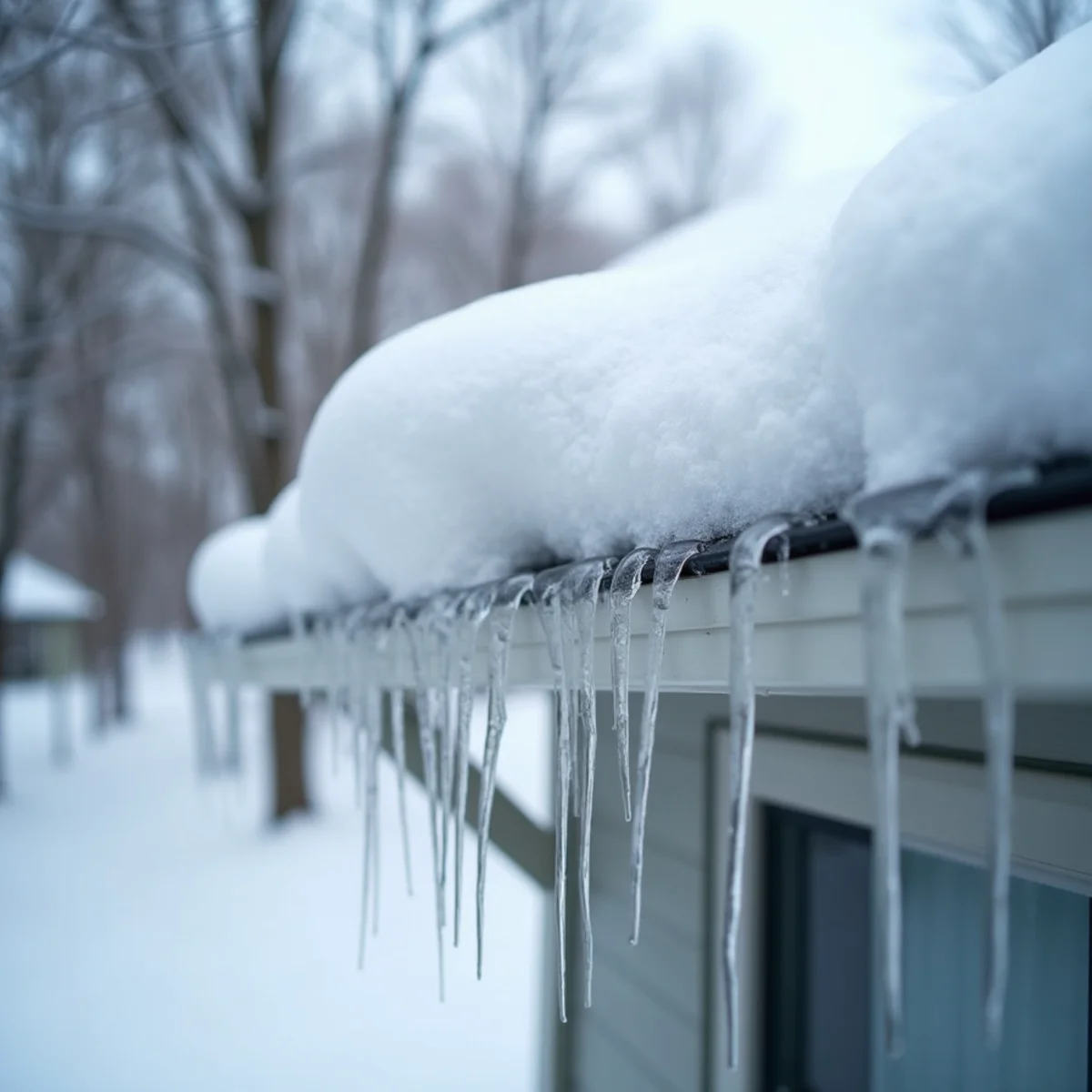
To stop ice dam water from penetrating your ceilings during a Northeast Ohio winter, immediately rake the lower 4 to 6 feet of snow from your eaves using a telescoping roof rake from the ground, blow freezing attic air toward the leaking decking seam with a high-velocity box fan, and schedule professional low-pressure steaming. Never hack ice with axes or apply rock salt, both of which permanently destroy shingles.
With the Mahoning Valley averaging nearly 68 inches of annual snowfall and enduring prolonged January and February sub-freezing streaks, ice dams are one of the most destructive winter roofing emergencies faced by Northeast Ohio homeowners. What initially appears as picturesque icicles hanging from gutter troughs can rapidly escalate into water pouring down interior drywall, soaking attic insulation, and collapsing plaster ceilings.
Understanding the exact physical mechanics of how ice dams form, taking immediate non-destructive emergency containment measures, and knowing why commercial low-pressure steam is the only safe removal method can save you thousands of dollars in winter restoration costs.
1. The Physics of Ice Dam Formation on Ohio Roofs
An ice dam requires three specific conditions to form: heavy snowfall accumulating on the roof deck, freezing ambient outdoor temperatures (typically between 15°F and 25°F), and heat escaping from the home's living quarters into the unfinished attic space.
As warm indoor air leaks into the attic, it rises to the highest point of the roof structure, heating the plywood roof sheathing directly beneath the upper shingle courses. When the roof deck temperature rises above 32°F, the underside of the heavy snow pack begins melting into water. This meltwater flows downward along the roof pitch beneath the insulating snow blanket until it crosses the exterior wall plate line.
Once the water reaches the cold, unheated roof overhang (the eave and soffit), the decking temperature drops back down to the ambient freezing outdoor air. The meltwater immediately freezes solid, creating a thin ice ridge along the roof edge. Over successive days of continuous melting and refreezing, this ice ridge grows into a massive barrier several inches thick, weighing hundreds of pounds.
2. Why Trapped Water Backs Up Beneath Shingles
As the ice dam continues to grow, fresh meltwater trickling down from the warm upper roof cannot drain into the frozen gutter. It pools behind the solid ice ridge, forming an active reservoir of standing water on the lower slope.
Asphalt shingles are designed to shed gravity-driven shedding water running downhill; they are not watertight membranes built to withstand hydrostatic pressure from standing water pools. As the trapped water pool deepens, hydrostatic pressure forces the liquid backward up the slope, underneath the overlapping shingle tabs. The water slips past nail penetrations and saturates the underlying roof sheathing. From there, gravity pulls the moisture down exterior wall framing, soaking fiberglass insulation, staining drywall ceilings, and rusting electrical junction boxes.
3. Immediate Emergency Steps to Take from the Ground
If you discover water dripping inside your home or see an extensive ice dam developing along your eaves, execute these four immediate emergency steps:
Clear Lower Snow with a Telescoping Roof Rake
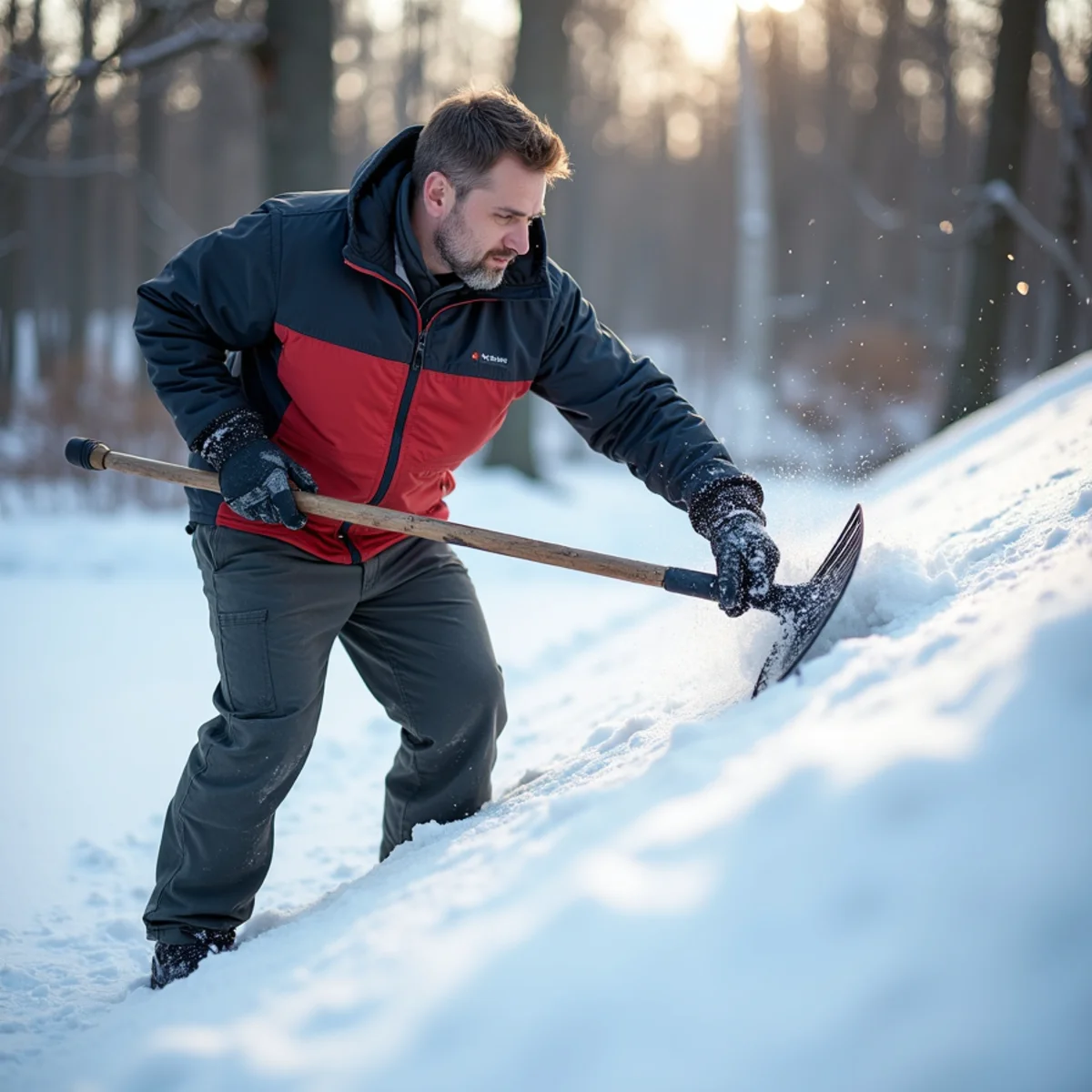
Stand firmly on the ground at a safe distance from the eaves and use an aluminum telescoping roof rake with rubber rollers or poly bumpers to carefully pull snow off the lower 4 to 6 feet of your roof. Never pull so hard that you scrape down to bare shingles; leaving an inch or two of snow prevents granule abrasion. Removing the snow blanket removes the thermal insulation feeding the melt cycle.
Direct a Box Fan at the Leak Inside the Attic
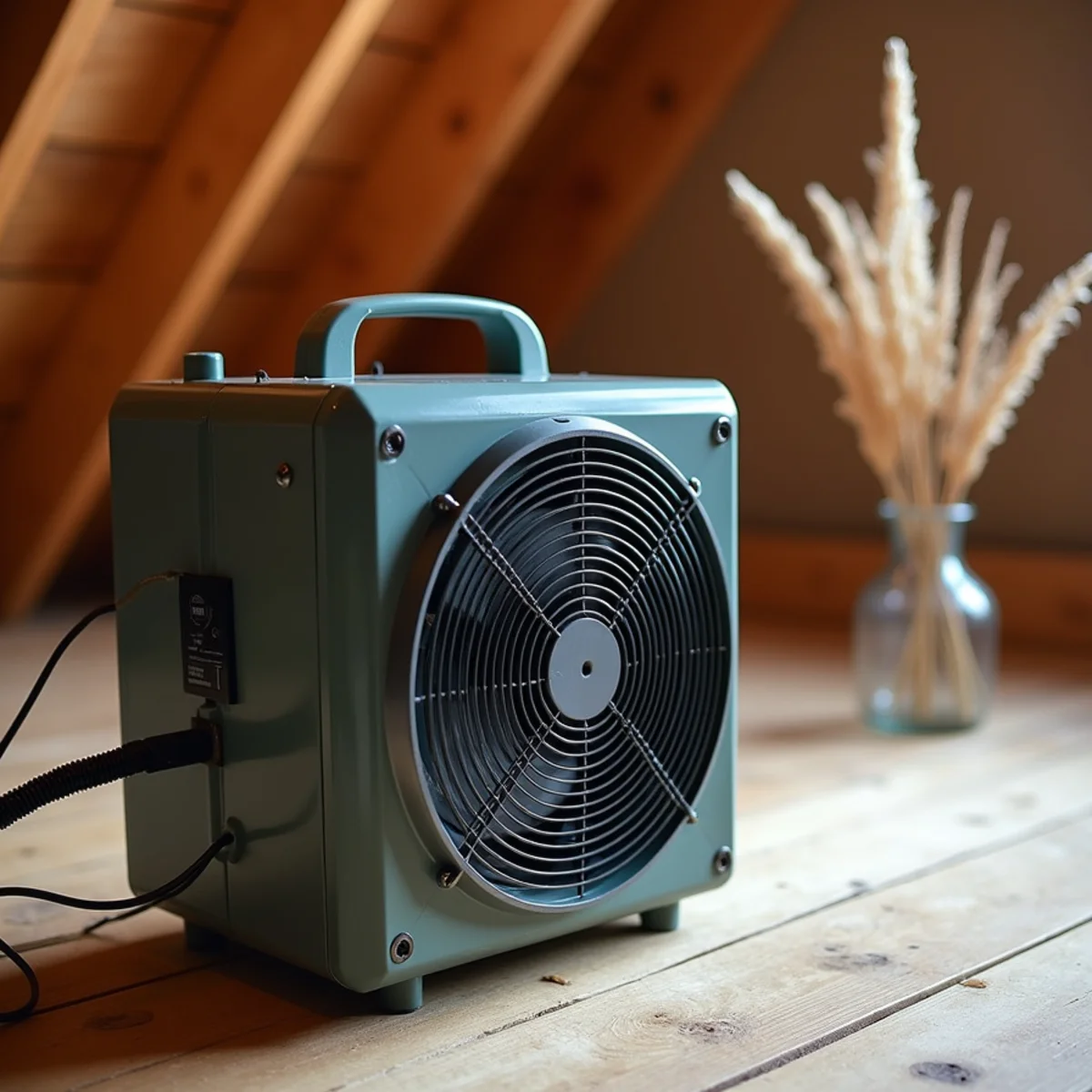
If you have safe access to your attic space, locate the specific rafter bay where water is trickling through the roof sheathing. Position a high-velocity box fan or shop blower on the attic floor aimed directly at the wet roof decking seam. Blowing cold, sub-freezing attic air against the underside of the sheathing will freeze the liquid water in place, stopping the interior ceiling drip within 30 to 60 minutes while professional crews are dispatched.
Set Up Interior Water Catch Basins
Move furniture away from exterior walls and windows where meltwater is entering. If water is pooling on top of ceiling drywall, puncture a small relief hole in the drywall center over a 5-gallon bucket to prevent catastrophic ceiling collapse.
4. Dangerous Removal Methods That Must Be Avoided
In moments of desperation, homeowners frequently turn to aggressive DIY removal tactics that cause far more destruction than the ice dam itself:
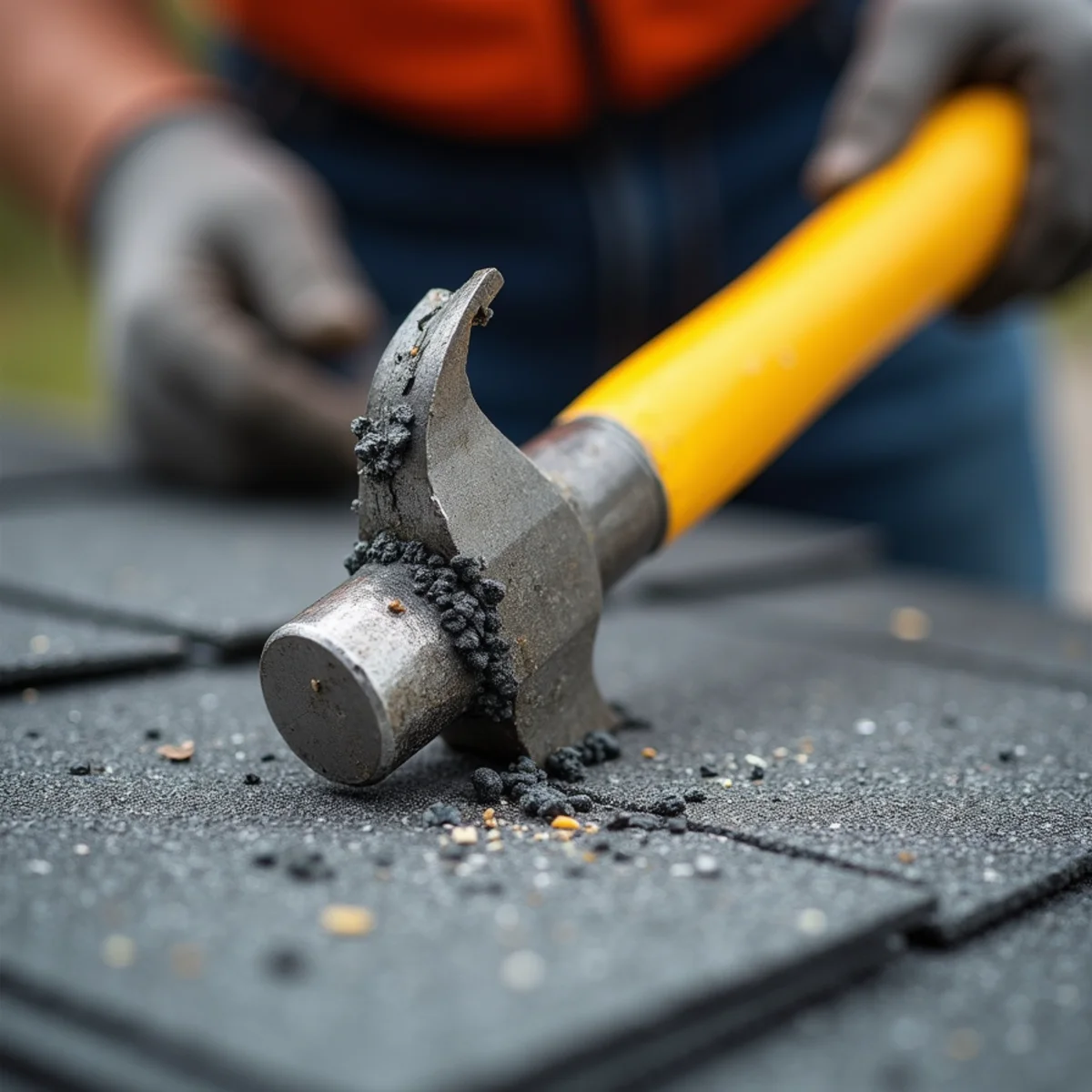
Do NOT Use Axes, Hammers, or Chisels: Striking an ice dam with an iron hammer or hatchet will shatter frozen, brittle asphalt shingles, punch holes directly through 7/16-inch OSB decking, and crush aluminum gutters. Most shingle manufacturer warranties explicitly exclude impact damage caused by DIY ice chopping.
Do NOT Throw Chemical Rock Salt onto the Roof: Applying rock salt or calcium chloride pucks creates a corrosive, hyper-saline brine. When this toxic runoff melts, it corrodes aluminum gutters, strips exterior paint, leaves unsightly white chemical streaks across brick veneer, and poisons foundation flowerbeds and shrubs.
Do NOT Use High-Pressure Power Washers: Standard pressure washers use cold or warm water at 2,000 to 4,000 PSI. At this pressure, the water jet acts like a sandblaster, stripping all protective mineral granules off your shingles and leaving bare asphalt exposed to rapid UV deterioration.
5. Professional Low-Pressure Ice Dam Steaming: The Gold Standard
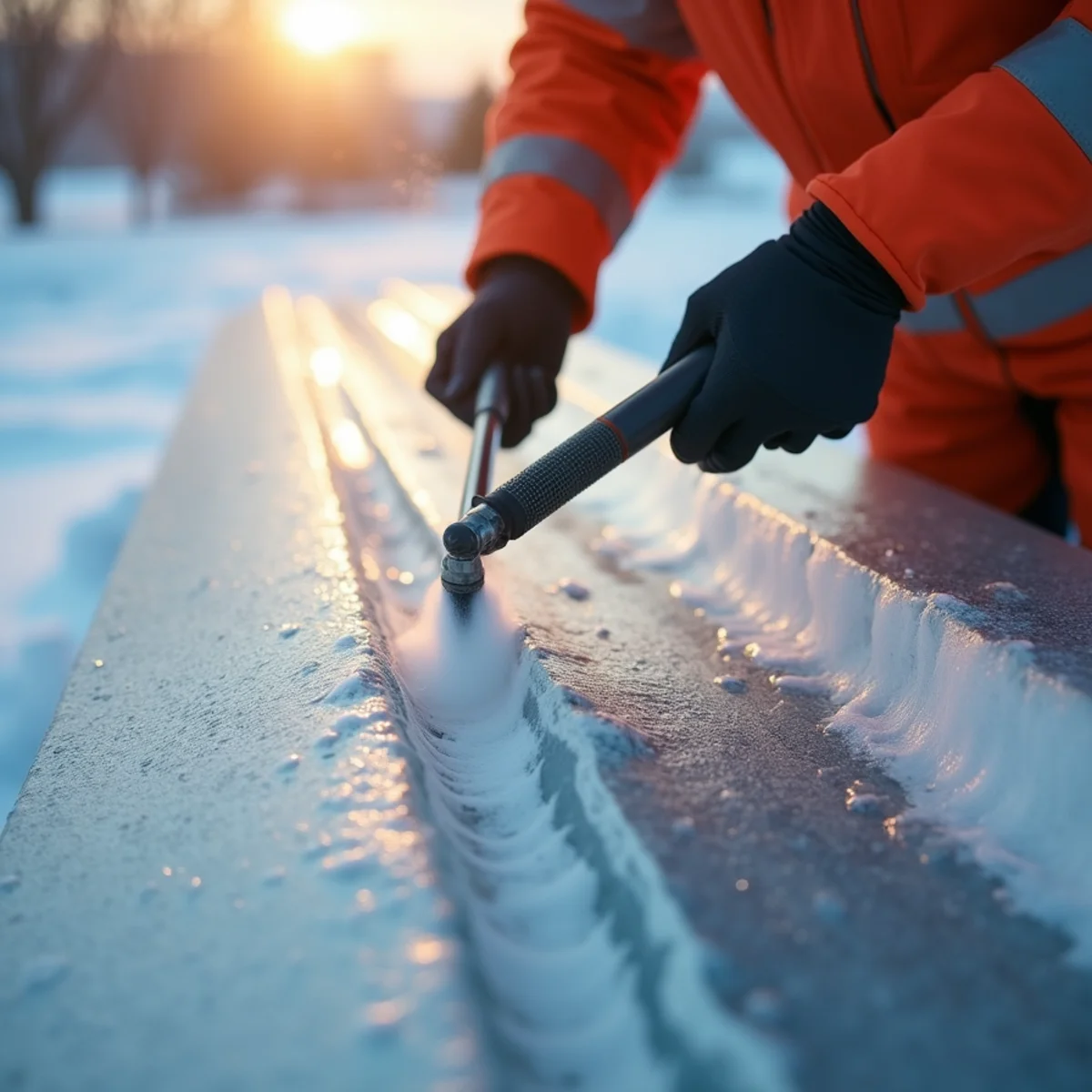
The only safe, non-destructive method for removing heavy ice dams from residential and commercial roofs is specialized low-pressure steaming.
Our mobile winter response crews utilize commercial steam machines specifically engineered for roofing applications. These units operate at high steam temperatures (between 250°F and 290°F) but exceptionally gentle pressures (under 250 PSI—roughly equivalent to a garden hose). Our technicians systematically carve vertical drainage channels through the ice ridge down to the shingle surface, followed by cutting the ice into manageable blocks that are gently removed by hand. The low-pressure steam melts through thick ice like butter without damaging shingle granules, loosening adhesive strips, or dislodging gutters.
6. Long-Term Spring Prevention: Fixing the Underlying Building Science
Treating the symptoms of an ice dam with steam solves the immediate winter emergency, but permanent prevention requires addressing the root building-science deficiencies inside the attic:
Air-Seal Attic Bypass Leaks: Seal air gaps around plumbing stacks, chimney chases, can lights, and attic access hatches using expanding polyurethane foam to prevent conditioned indoor heat from escaping into the attic.
Upgrade Attic Thermal Insulation: Install blown-in cellulose or fiberglass insulation to achieve at least R-49 (approximately 16 to 18 inches of depth) across the attic floor in accordance with the 2024 Residential Code of Ohio.
Ensure Balanced Soffit-to-Ridge Ventilation: Install continuous soffit intake vents with insulation baffles at every rafter bay paired with an external-baffle ridge vent along the roof peak. This guarantees a continuous wash of freezing outside air beneath the roof deck, keeping the entire roof surface uniform and cold throughout winter.
| Method | Tool / Equipment | Immediate Effect | Impact on Shingles & Gutters | Professional Recommendation |
|---|---|---|---|---|
| Safe Snow Raking | Telescoping poly roof rake | Starves dam of meltwater fuel | Zero shingle damage if bottom 2 inches left intact | Highly Recommended for homeowners from ground |
| Under-Deck Fan Freeze | Attic box fan directed at leak | Freezes leaking water in place within 30–60 min | Completely non-invasive emergency triage | Recommended temporary measure while awaiting crew |
| Low-Pressure Steaming | Commercial 290°F / 250 PSI steamer | Cuts clean drainage channels through thick ice | 100% safe for shingles, granules, and metal gutters | Gold Standard professional removal method |
| Hammer / Ax Hacking | Axes, hammers, pry bars, chisels | Dislodges small chunks of ice irregularly | Shatters frozen shingles; punches holes in decking; voids warranty | STRICTLY PROHIBITED; causes severe roof destruction |
| Chemical Salt Pucks | Calcium chloride in nylon stockings | Slowly burns localized holes through ice | Corrosive runoff rusts gutters, strips paint, burns lawn | NOT Recommended; toxic runoff and potential fire hazard |
Most Northeast Ohio homeowners mistakenly believe ice dams are caused by heavy snow or frozen gutters. As roofing building-science specialists, we always explain that gutters do not cause ice dams—they simply collect the ice that forms above them. An ice dam is purely thermodynamic: indoor heated air escapes into the attic through unsealed bypasses around can lights, attic pull-down stairs, and plumbing chases. This warm air collects at the upper ridge, heating the roof sheathing above 32°F. Snow on the upper roof melts, trickles down under the insulating snow blanket, and hits the cold eave overhang (which has no heated living space underneath and remains at ambient outdoor temperature, say 18°F). The meltwater instantly refreezes into a solid dam. The only permanent cure is sealing attic air leaks and ensuring adequate soffit-to-ridge intake airflow.
Related Local Roofing Services & Coverage
Experiencing issues highlighted in this guide? Our certified roofing crews provide expert professional low-pressure ice dam steaming with rapid response times across Trumbull County and Warren and Youngstown.
Prevent recurring winter ice dams by equalizing attic temperatures with exterior air.
Repair damaged fascia, water-stained decking, and loose flashing once ice thaws.
Replace heavy, ice-distorted gutter troughs with heavy-gauge seamless aluminum.
Frequently Asked Questions
Zana Roofing & Construction
Family-owned roofing contractor proudly serving Youngstown and the Mahoning Valley since 2020. Specializing in residential and commercial roof replacement, storm restoration, and 24/7 emergency leak mitigation.