
How Freeze-Thaw Cycles Damage Roofs in Youngstown, OH
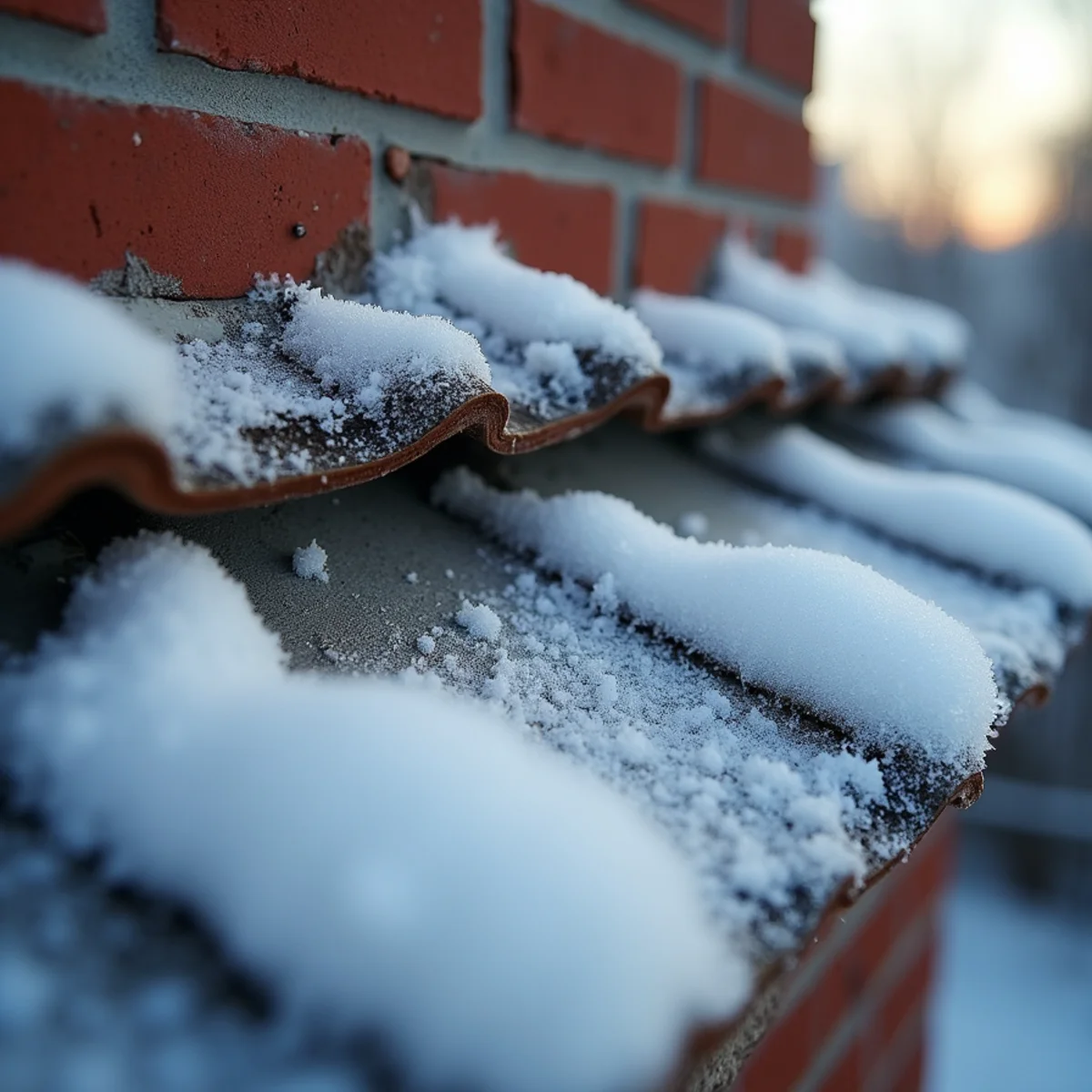
Freeze-thaw cycles in Youngstown damage roofs because trapped water expands by 9% in volume when freezing, exerting up to 30,000 PSI of hydraulic pressure. This cyclical expansion tears shingle adhesive bonds, splits chimney masonry reglets, wedges gutters off fascia boards, and pops roofing nails, creating hidden entry paths for winter meltwater.
In arctic regions of the country, winter is characterized by months of consistent, sub-zero cold. In Youngstown and the Mahoning Valley, however, our winters are defined by violent, erratic temperature oscillations. A single 48-hour period in January can start with 44°F drizzling rain on a Monday afternoon, plunge to 12°F with fierce lake-effect snow squalls by midnight, and climb back to 38°F by Wednesday midday.
These constant freeze-thaw transitions are mathematically far more destructive to residential roofing systems than steady sub-zero cold. The reason comes down to basic physics: water is one of the few compounds on earth that expands when transitioning from liquid to solid. As water freezes into ice crystals, it expands by approximately 9% in volume, exerting up to 30,000 pounds per square inch of hydraulic pressure on whatever enclosure traps it.
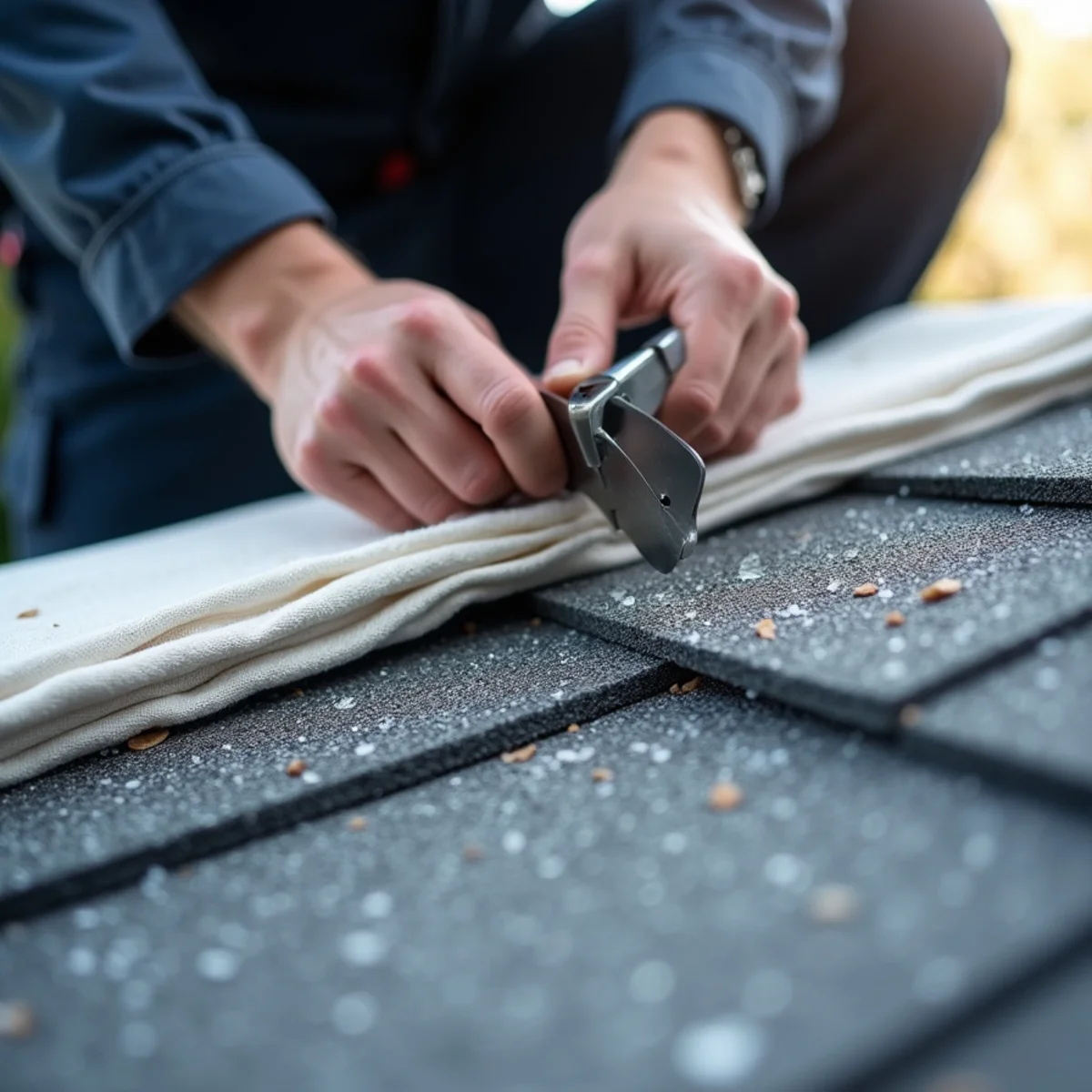
The 9% Volumetric Expansion Physics: Ohio's Winter Rollercoaster
When liquid water seeps into microscopic fissures in asphalt shingles, mortar joints, or perimeter sealants, it sits harmlessly as long as the temperature remains above 32°F. But when an arctic cold front crashes into Trumbull or Mahoning County, that trapped liquid freezes and expands with unstoppable mechanical force.
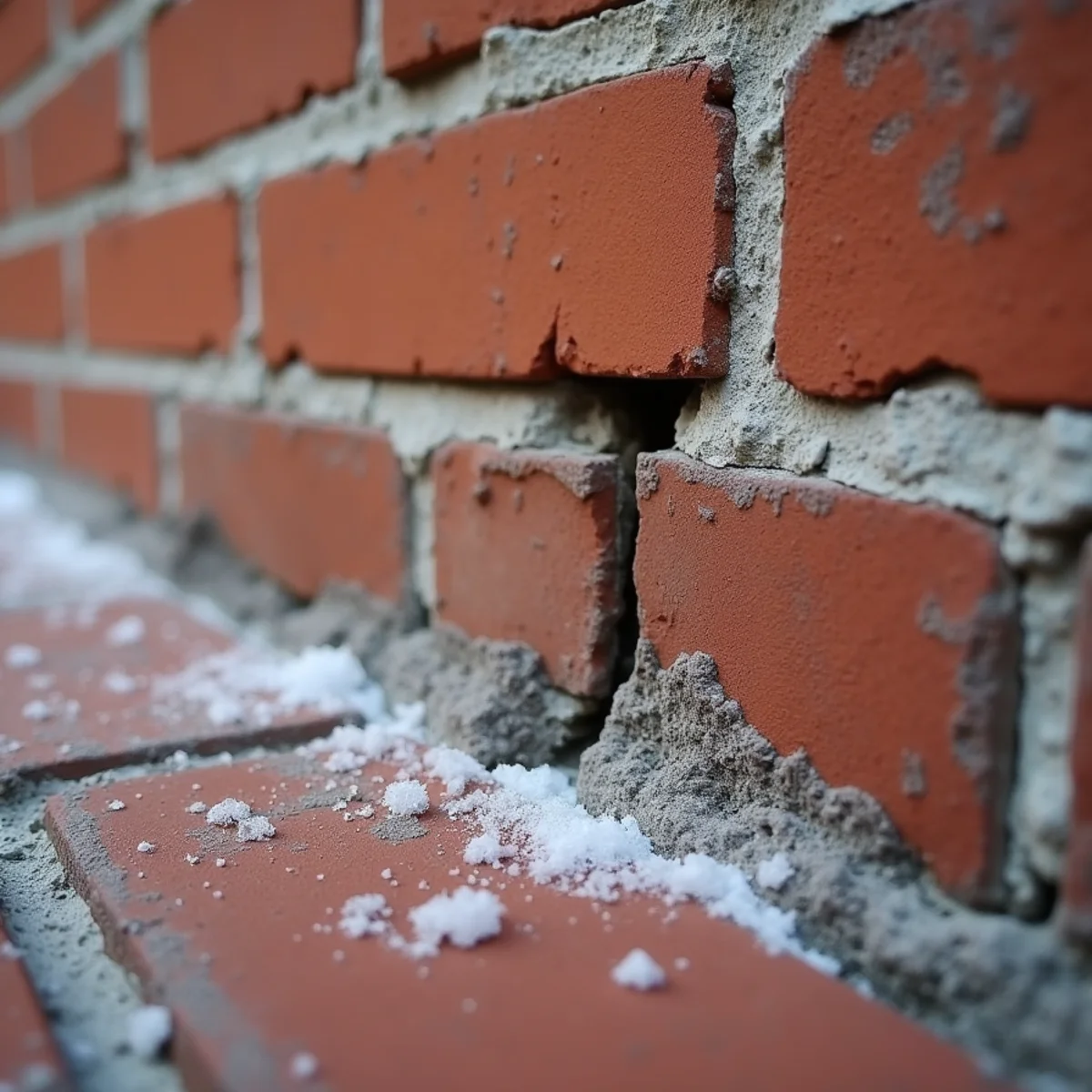
Over the course of an average Northeast Ohio winter, a roof experiences between 45 and 65 individual freeze-thaw cycles. This repetitive expansion acts like a slow-motion chisel, widening tiny hair-width micro-cracks into gaping fissures that invite catastrophic water intrusion.
Mechanism 1: Micro-Fissure Infiltration & Shingle Seal Delamination
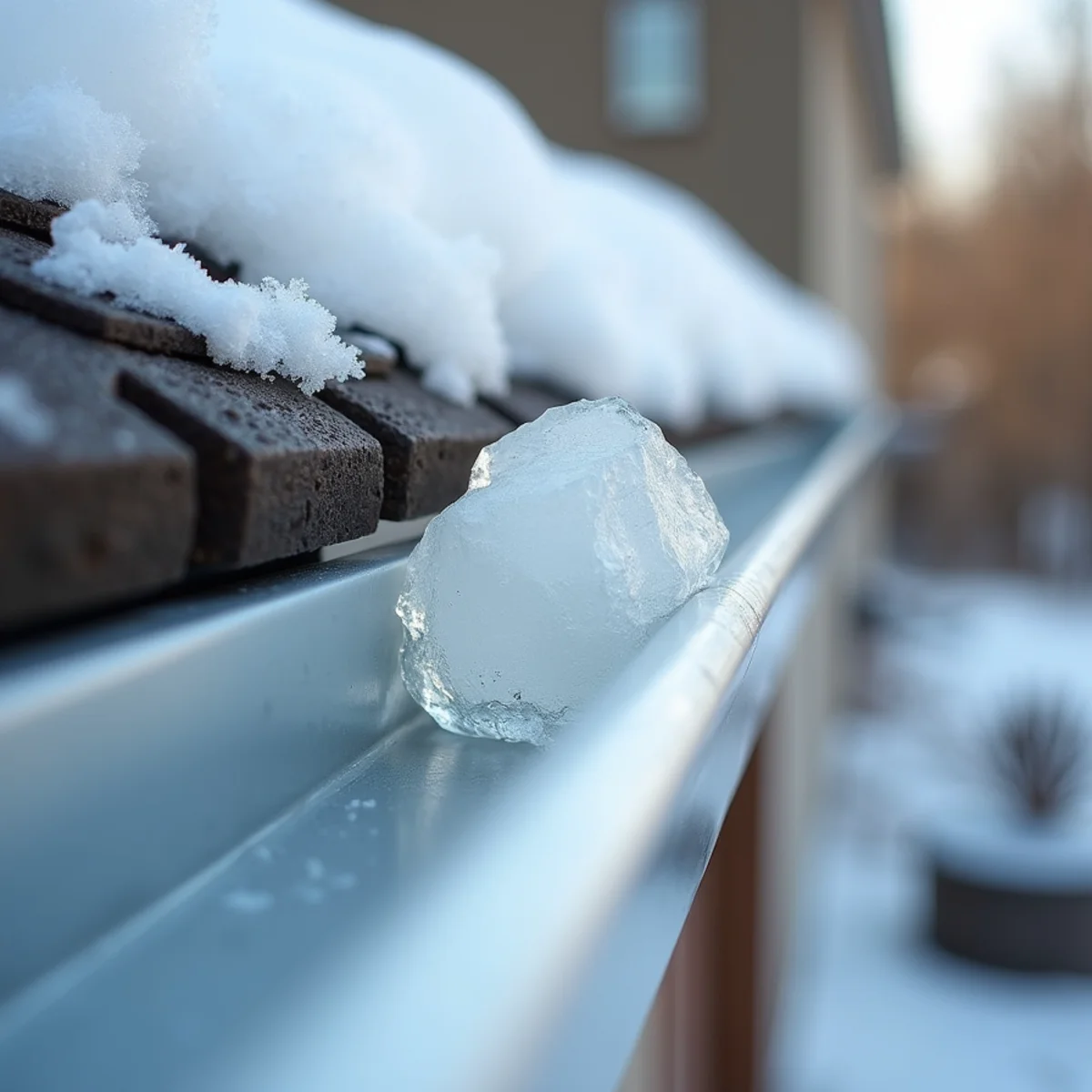
Asphalt shingles rely on a factory-applied strip of heat-activated adhesive to keep tabs firmly anchored to the underlying shingle course. When snow melts during a sunny afternoon, meltwater migrates along tab edges. If nighttime freezing occurs, ice expands beneath the tab, physically prying the shingle upward and snapping the thermal adhesive seal.
Once an adhesive seal is broken by freeze-thaw expansion, the shingle can no longer resist wind uplift. During the next 45-mph winter gust, the loose tab flips backward, creases across its fiberglass core, or tears free entirely.
Mechanism 2: Masonry Chimney Spalling & Flashing Joint Separation
Brick chimneys are composed of fired clay and cementitious mortar—both highly porous materials. Without specialized water-repellent sealants, brick chimneys absorb gallons of winter moisture. As the temperature drops below freezing, the water inside the brick expands, causing the brick faces to shatter off in a process known as 'spalling.'
Simultaneously, the mortar joints between bricks crack. Metal step and counter-flashings embedded into these mortar reglet joints are pushed outward by the expanding ice. By mid-February, meltwater cascades behind the metal flashing directly into attic rafter framing, rotting collar ties and staining living room ceilings.
Mechanism 3: Gutter Ice Wedging & Fascia Rot
When melting snow drains into cold gutters, slush freezes into solid ice blocks. As more meltwater enters the trough and freezes, the expanding ice exerts immense lateral outward thrust against the gutter walls and hidden hangers. This levers gutter spikes and screws out of the wood fascia boards.
As the gutter pulls away from the roofline, a gap opens beneath the drip edge metal. Future snowmelt flows directly down the raw wooden fascia and into exterior wall cavities instead of discharging through downspouts.
Mechanism 4: Fastener 'Nail Pops' and Decking Stress
Northeast Ohio's humidity swings cause wood roof decking to absorb moisture and swell, then dry and shrink. When smooth-shank roofing nails are used, cyclical freeze-thaw movement pushes nails upward. Known in the trade as a 'nail pop,' the protruding nail head eventually wears through the overlying shingle from beneath, creating a direct pinhole leak.
Preventative Cold-Climate Engineering: Materials That Flex
At Zana Roofing & Construction, our installations are engineered specifically to neutralize freeze-thaw degradation. We utilize SBS polymer-modified asphalt shingles and rubberized ice-and-water barrier underlayments that maintain 300% elasticity down to -20°F. Rather than cracking under ice pressure, our elastomeric membranes stretch, absorb expansion energy, and reseal tightly around every fastener.
| Roof Component | Primary Failure Mechanism | Observable Warning Signs | Long-Term Engineering Solution |
|---|---|---|---|
| Shingle Sealant Bonds | Water wicks under unbonded tab; nightly freezing tears asphalt seal | Curled, lifting tabs; loose shingles fluttering in 30 mph wind | SBS polymer-modified architectural shingles with hand-tabbed mastic |
| Chimney Mortar & Reglets | Meltwater enters brick pores; ice expands, spalling brick and cracking reglets | Sand/mortar debris in gutters; brown ceiling drywall stains near hearth | Tuckpointing + deep mechanical diamond-saw reglet counter-flashing + breathable siloxane water repellent |
| Plumbing Vent Boots | Neoprene rubber contracts in cold; ice ring expands and splits collar | Direct ceiling water drips in upstairs bathrooms during morning thaw | Heavy-duty lead or silicone pipe boots with stainless-steel tension clamps |
| Gutters & Fascia | Ponding slush freezes into solid ice mass; outward thrust pulls hangers | Gutters sagging, pulling away from fascia; rotten wood behind drip edge | Heavy-duty 0.032" seamless gutters with 1.5" hidden screw hangers spaced 24" on-center |
| Wood Decking & Fasteners | Moisture causes wood expansion; nightly ice lifts nail shanks upward ('nail pops') | Small circular mounds protruding beneath shingles; puncture holes | Ring-shank electro-galvanized nails driven flush into dry, 1/8"-gapped CDX plywood decking |
One of the most insidious freeze-thaw defects we encounter across Hubbard and Lowellville is the winter 'nail pop.' When moisture enters the attic through poor ventilation or minor leaks, plywood or OSB roof decking absorbs the humidity and swells. During our rapid Mahoning Valley temperature drops—such as a 45°F rainy afternoon turning into a 10°F freeze by midnight—the wood fibers contract violently around smooth-shank roofing nails. Over dozens of freeze-thaw cycles, the nail shank is pushed upward like a hydraulic piston. The sharp nail head eventually punctures through the overlying shingle from underneath. In the spring, driving rains funnel directly down the nail puncture into attic framing. At Zana Roofing, we exclusively use hot-dipped ring-shank nails that bite into wood grain, eliminating fastener back-out.
Related Local Roofing Services & Coverage
Experiencing issues highlighted in this guide? Our certified roofing crews provide expert freeze-thaw roof repair with rapid response times across Hubbard and Lowellville.
Rapid response repairs for freeze-thaw flashing breaks and nail pop leaks.
Engineered cold-climate tear-offs with SBS-modified flexible underlayments.
21-point post-winter photographic attic and shingle evaluations.
Frequently Asked Questions
Zana Roofing & Construction
Family-owned roofing contractor proudly serving Youngstown and the Mahoning Valley since 2020. Specializing in residential and commercial roof replacement, storm restoration, and 24/7 emergency leak mitigation.