
Flat Roof Options for Youngstown Businesses: EPDM vs. TPO
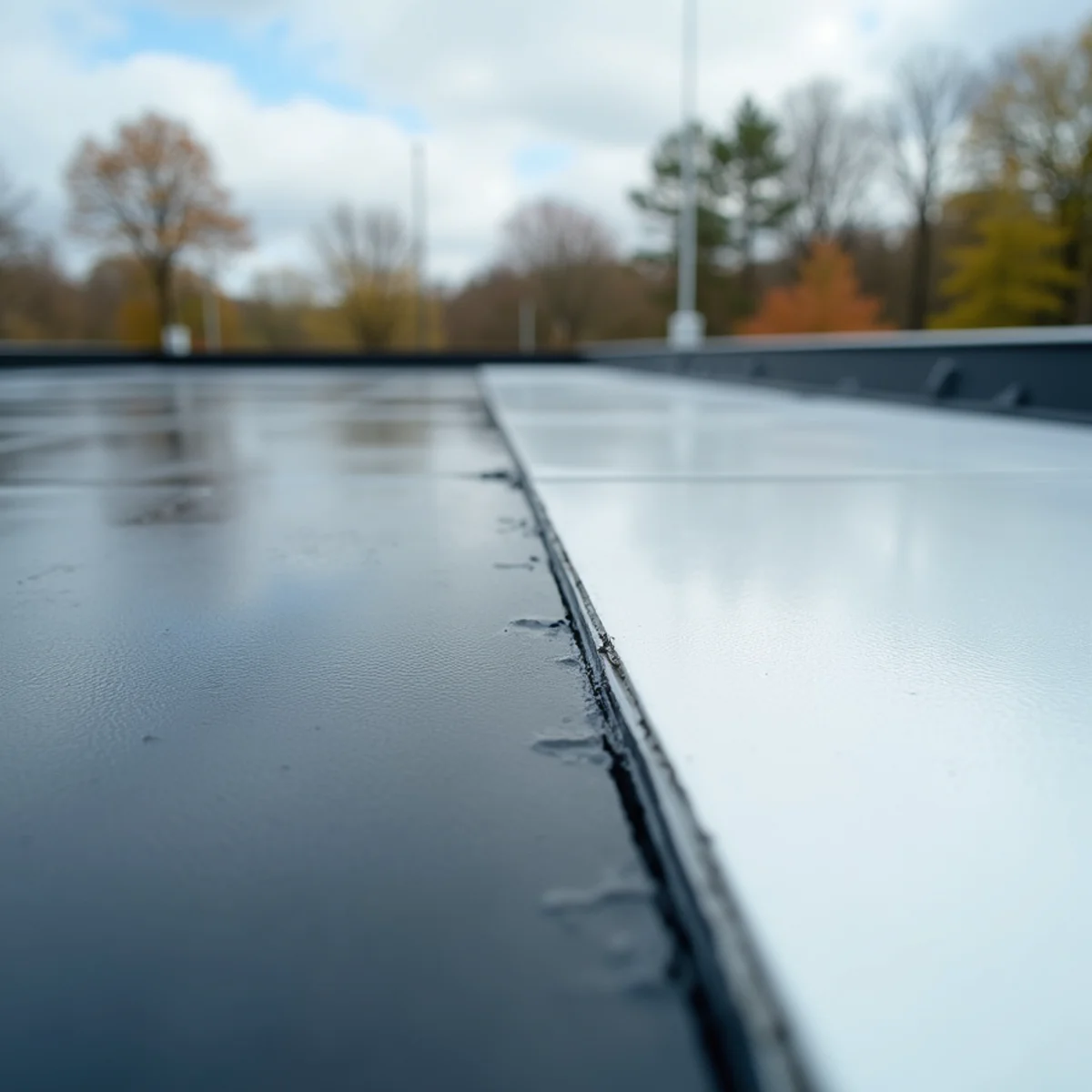
For Youngstown commercial buildings, EPDM rubber excels on unconditioned industrial facilities and warehouses due to 300% sub-zero elasticity down to -45°F and winter solar heat absorption. Conversely, white TPO membrane is superior for climate-conditioned offices and retail centers due to monolithic hot-air welded seams and 85% solar reflectivity that slashes summer cooling costs.
Commercial and industrial facility managers in Youngstown, Warren, Niles, and the broader Mahoning Valley face challenging engineering decisions when selecting low-slope roofing systems. From downtown retail storefronts and medical clinics to sprawling metal fabrication plants and logistics distribution centers, flat roofs must withstand heavy snow loads, sub-zero freeze-thaw cycles, high wind shears, and constant rooftop HVAC foot traffic.
The two dominant single-ply membrane roofing options specified across Northeast Ohio commercial construction are EPDM (Ethylene Propylene Diene Monomer) synthetic rubber and TPO (Thermoplastic Polyolefin). Both materials offer exceptional weatherproofing, but their distinct thermodynamic and chemical properties make each suited for specific commercial building profiles.
The Northeast Ohio Climate Reality: Freeze-Thaw & Snowpack
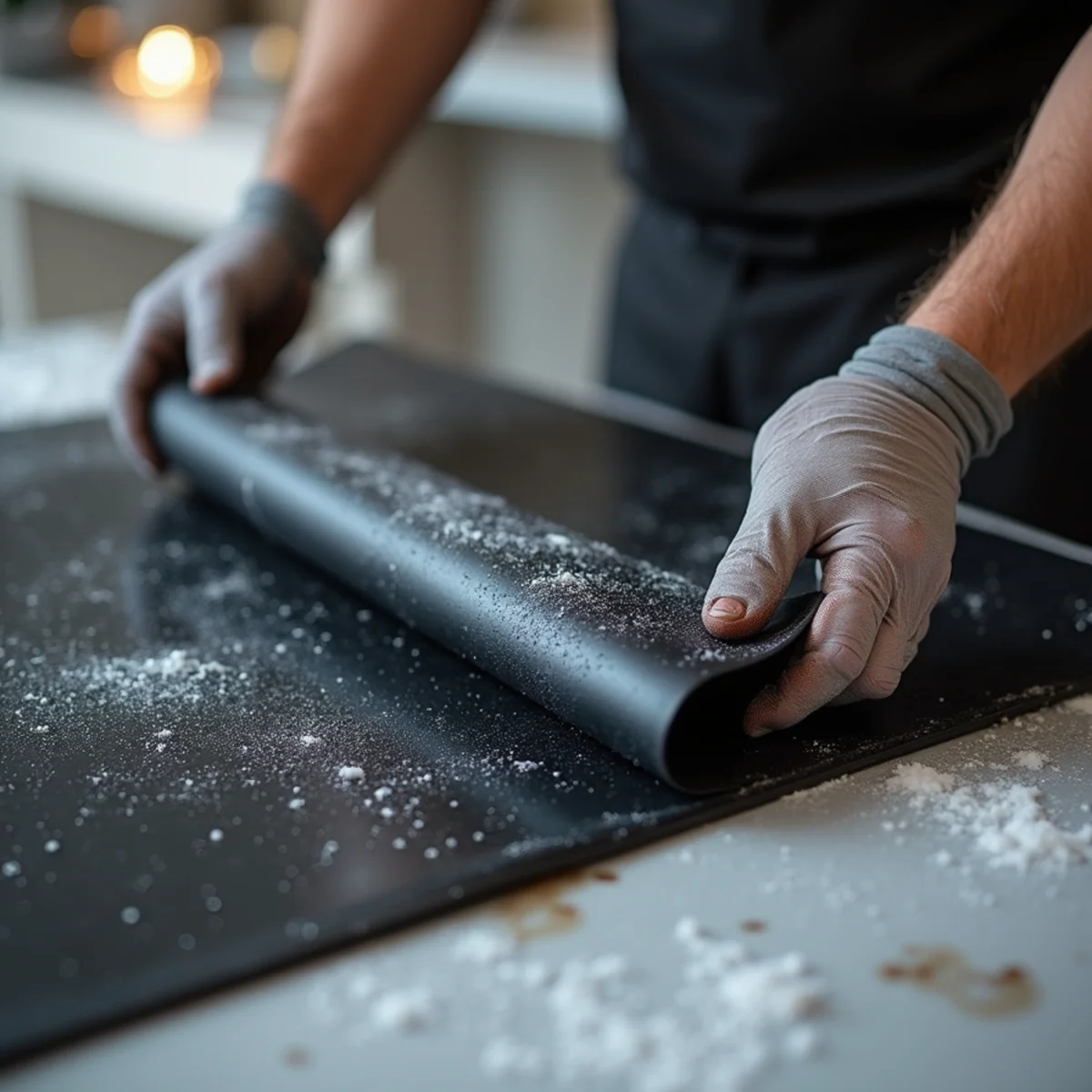
Northeast Ohio's climate places unique demands on commercial low-slope roofing. Unlike Sunbelt states where ultraviolet degradation and intense thermal heat are the primary concerns, commercial roofs in Trumbull and Mahoning Counties must withstand 45 to 65 annual freeze-thaw cycles and winter snow accumulations exceeding 20 pounds per square foot.
When evaluating commercial membranes, facility managers must weigh cold-temperature elasticity against summer solar reflectivity, and taped seam adhesives against molecular hot-air welds.
EPDM Synthetic Rubber: The Cold-Weather Industrial Heavyweight
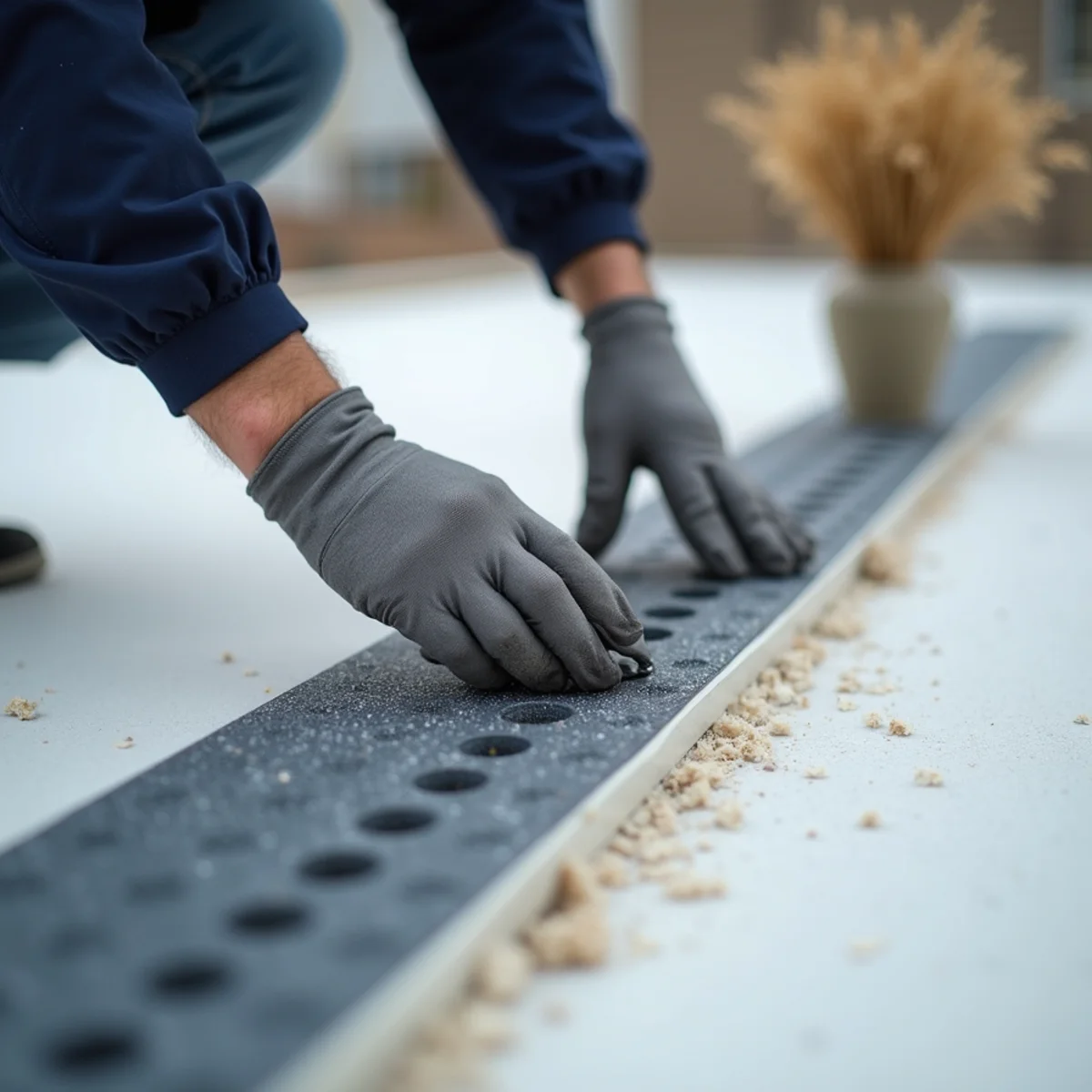
EPDM has been the proven gold standard of commercial flat roofing for more than 50 years. Fabricated from synthetic rubber polymers, EPDM's primary operational advantage in Northeast Ohio is its unmatched elasticity in freezing temperatures. EPDM maintains flexibility down to -45°F, easily stretching up to 300% without cracking or fatiguing during rapid sub-zero temperature drops.
Furthermore, EPDM's natural dark carbon-black surface absorbs solar radiant energy during Ohio's cold winters. This passive solar absorption helps melt roof snow accumulation faster, keeping roof drains clear and significantly reducing natural gas heating costs inside unconditioned manufacturing facilities and warehouse spaces.
TPO Single-Ply: Hot-Air Welded Seams & Summer Efficiency
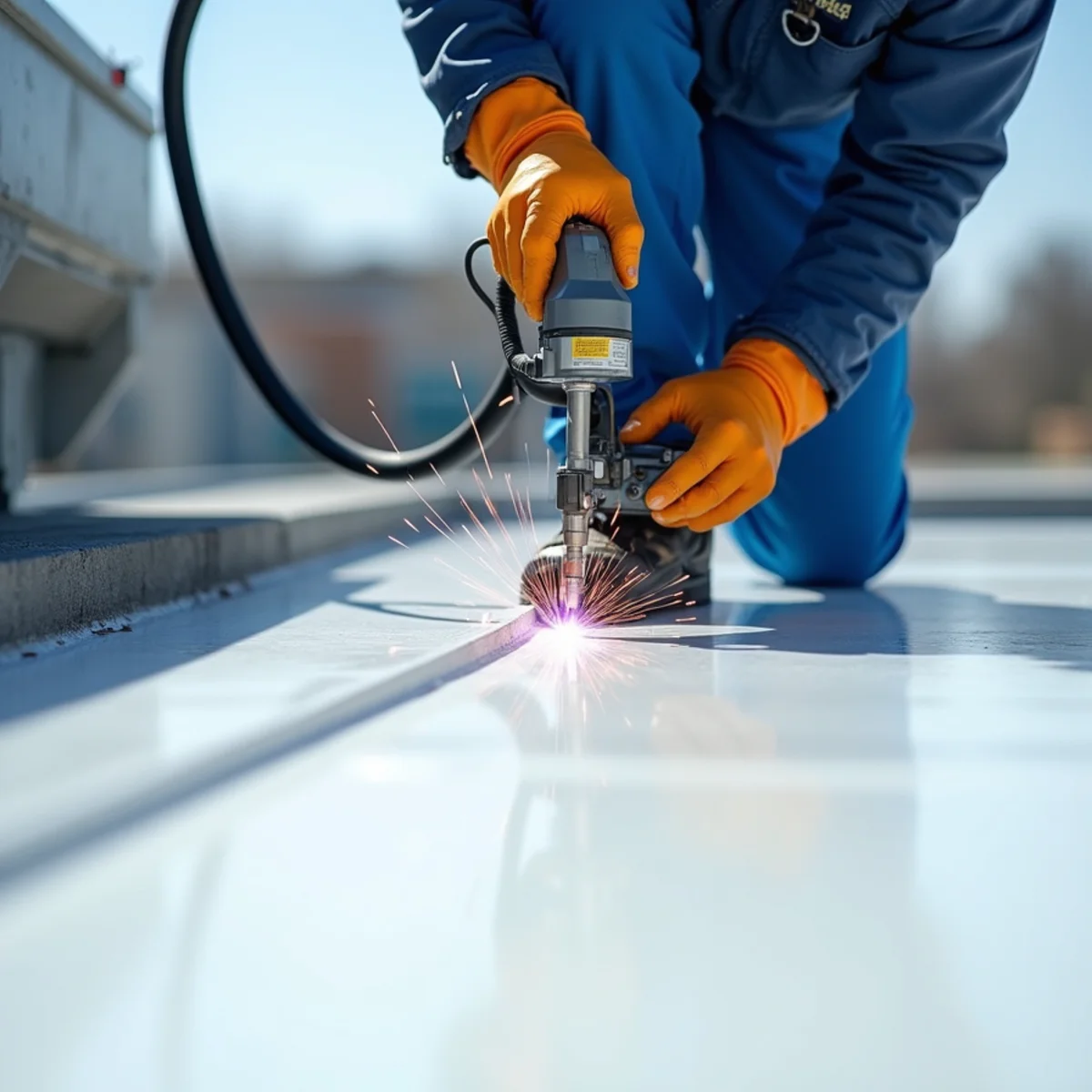
TPO is a modern thermoplastic membrane composed of polypropylene and ethylene-propylene rubber reinforced with an internal polyester scrim. Its standout engineering feature is molecular hot-air welded seams. Rather than relying on chemical adhesives or butyl tapes, TPO laps are fused with robotic hot-air welders operating at 1,000°F. The resulting seam is a monolithic weld that cannot be compromised by standing water.
TPO's bright white reflective surface reflects over 85% of solar radiant heat back into the atmosphere. For fully climate-conditioned retail centers, medical offices, and schools, this dramatic reduction in summer roof temperatures lowers interior cooling demand by 15% to 25%, resulting in substantial annual electric utility savings.
Tapered Polyisocyanurate (Polyiso) Drainage Systems
Regardless of whether EPDM or TPO is chosen, modern commercial building codes mandate that low-slope roofs provide positive drainage. Standing ponding water accelerates membrane aging, promotes organic algae growth, and adds thousands of pounds of deadweight.
At Zana Roofing & Construction, our commercial installations incorporate custom-engineered tapered polyiso rigid foam insulation board systems. Fabricated with a 1/8-inch or 1/4-inch per foot slope, tapered polyiso directs all surface runoff efficiently toward roof scuppers and internal cast-iron drains, eliminating chronic standing water while providing continuous R-30+ thermal insulation.
60-Mil vs. 80-Mil Membrane Thickness Selection
Standard commercial membranes are available in 45-mil, 60-mil, and 80-mil thicknesses. While 45-mil is a low-cost economy option, Zana Roofing exclusively specifies 60-mil or 80-mil commercial systems. An 80-mil membrane offers 33% more puncture resistance against falling tree limbs, heavy hail, and service technician foot traffic around rooftop chillers and air handlers.
| Performance Factor | 60-Mil EPDM Rubber | 60-Mil TPO Membrane | Optimal Application Context |
|---|---|---|---|
| Sub-Zero Cold Flexibility | Remains flexible to -45°F (300% elongation) | Flexible to -20°F (Higher stiffness in extreme cold) | EPDM leads in unheated industrial warehouses |
| Seam Joining Technology | Double-sided butyl seam tape + specialized primer | Molecular robotic hot-air welded seams (1,000°F) | TPO seams are stronger than the membrane itself |
| Solar Reflectance & Heat Index | Low (<10%); absorbs winter solar heat | High (>85% Initial SRI); reflects summer UV | TPO saves 15–25% in summer AC power in retail |
| Standing Water Resistance | Moderate; prolonged ponding softens adhesive tape | Maximum; monolithic welds are immune to water ponding | TPO handles zero-slope drainage dead-zones better |
| Hail & Puncture Durability | Class 4; rubber absorbs hail impact energy | Class 4 (with polyester reinforcement scrim) | Both deliver exceptional heavy commercial protection |
| Typical Installed Cost / Sq Ft | $5.50 – $8.50 per sq ft | $6.00 – $9.25 per sq ft | Comparable upfront capital investment |
| Expected Service Lifespan | 25 to 30+ Years | 22 to 28 Years | Both provide 20- to 30-year NDL manufacturer warranties |
On older commercial buildings along the Mahoning River industrial corridor in Warren and Niles, roof decks frequently settle over decades, creating localized depressions where water ponds for 48 hours after rain. On taped EPDM systems, constant submersion in ponding water gradually emulsifies the butyl adhesive seam tape after 12 to 15 years, leading to seam delamination. With TPO (Thermoplastic Polyolefin), we fuse the overlapping sheets using automated robotic hot-air welders operating at 1,000°F. The two thermoplastic sheets melt together at a molecular level, forming a seamless, continuous polymer sheet. The weld is physically stronger than the surrounding membrane and is completely unaffected by standing water.
Related Local Roofing Services & Coverage
Experiencing issues highlighted in this guide? Our certified roofing crews provide expert commercial flat roofing systems with rapid response times across Warren and Niles.
Certified installations of Carlisle and GAF commercial EPDM and TPO systems.
Preventative inspections, drain clearing, and seam testing for facilities.
Rapid intervention for industrial puncture leaks, scupper failures, and blow-offs.
Frequently Asked Questions
Zana Roofing & Construction
Family-owned roofing contractor proudly serving Youngstown and the Mahoning Valley since 2020. Specializing in residential and commercial roof replacement, storm restoration, and 24/7 emergency leak mitigation.