
Best Time of Year to Replace a Roof in Northeast Ohio
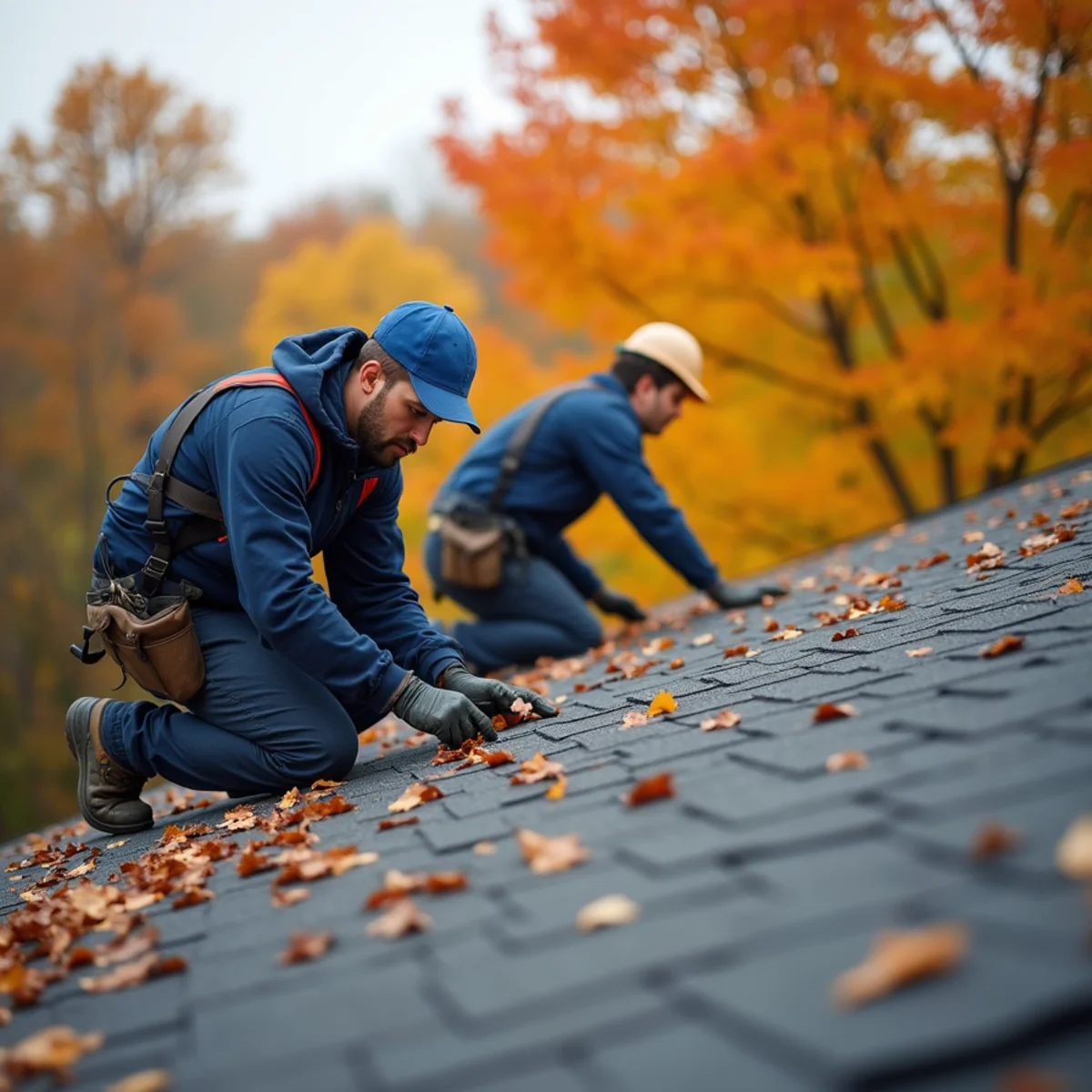
The best time of year to replace a roof in Northeast Ohio is early autumn (September through November). Mild temperatures between 50°F and 70°F and lower rainfall provide ideal working conditions and allow shingle thermal adhesive sealant strips to cure and bond fully before lake-effect blizzards and freeze-thaw cycles arrive.
Timing your residential roof replacement correctly in Northeast Ohio is one of the most effective ways to optimize installation quality, project turnaround, and long-term shingle durability. The Mahoning Valley experiences four intense, highly contrasting seasons—from sub-zero lake-effect blizzards and spring hailstorms to humid 90°F summer heatwaves and crisp autumn afternoons.
Each season presents distinct physical characteristics that influence how asphalt shingles handle, how thermal adhesive strips bond, and how roofing contractors schedule their production crews. Understanding the trade-offs of each seasonal window enables homeowners in Salem, Columbiana, and Youngstown to plan strategically.

Autumn (September to November): The Undisputed Gold Standard
Ask any experienced master roofer in Ohio, and they will tell you that autumn is the premier window for roof replacement. From late September through mid-November, daytime temperatures consistently hover between 50°F and 72°F, relative humidity drops, and severe convective thunderstorms subside.
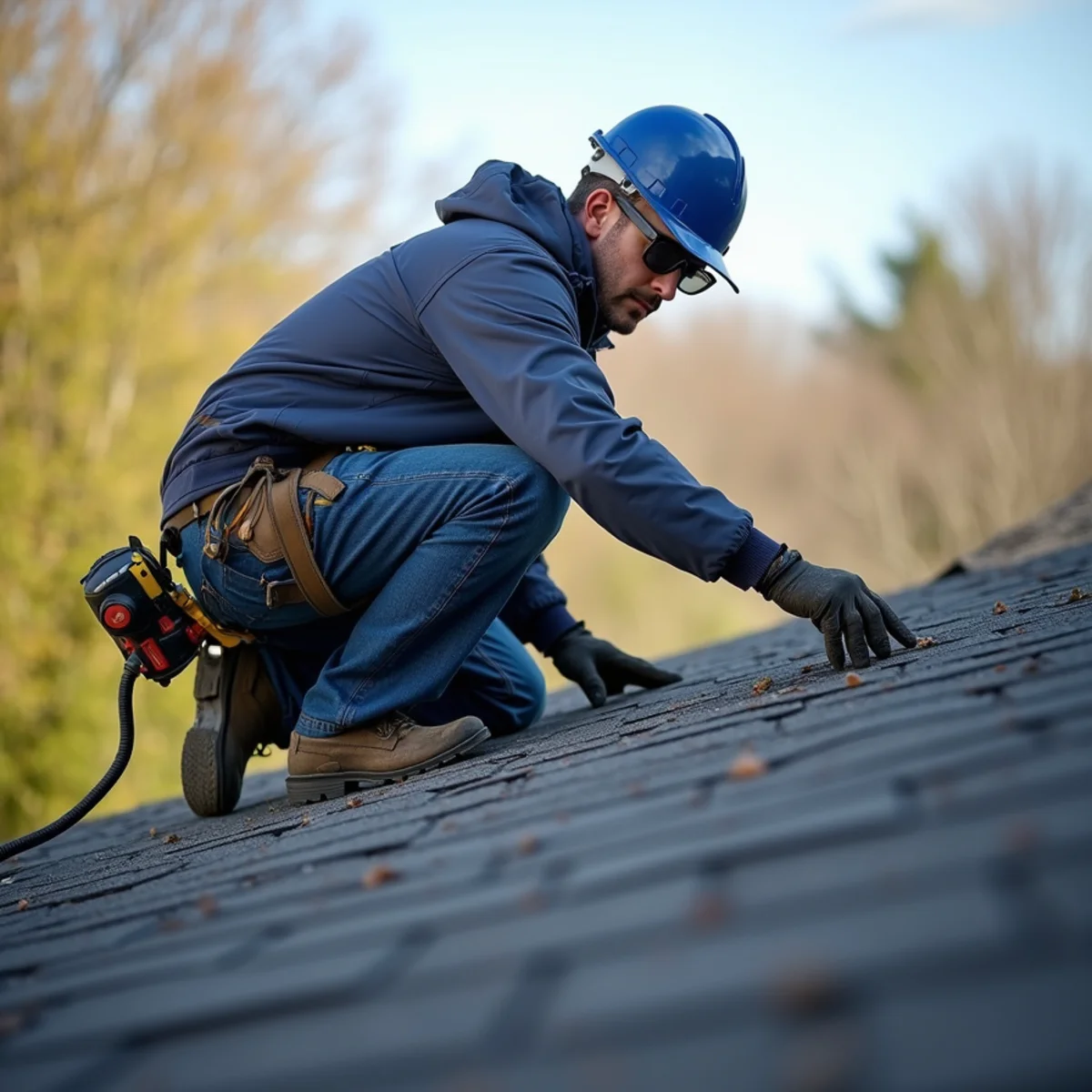
These conditions are ideal for asphalt shingle application. The shingles are pliable and easy to cut without snapping or crumbling. More importantly, mild sunny autumn days provide just enough solar radiant warmth to activate the factory thermal sealant strips, welding shingle courses into a cohesive, monolithic barrier before winter ice and snow arrive. Because autumn is the most coveted season, top-rated contractors typically book their fall schedules by mid-summer.
Spring (April to June): Fortifying Against Summer Squalls
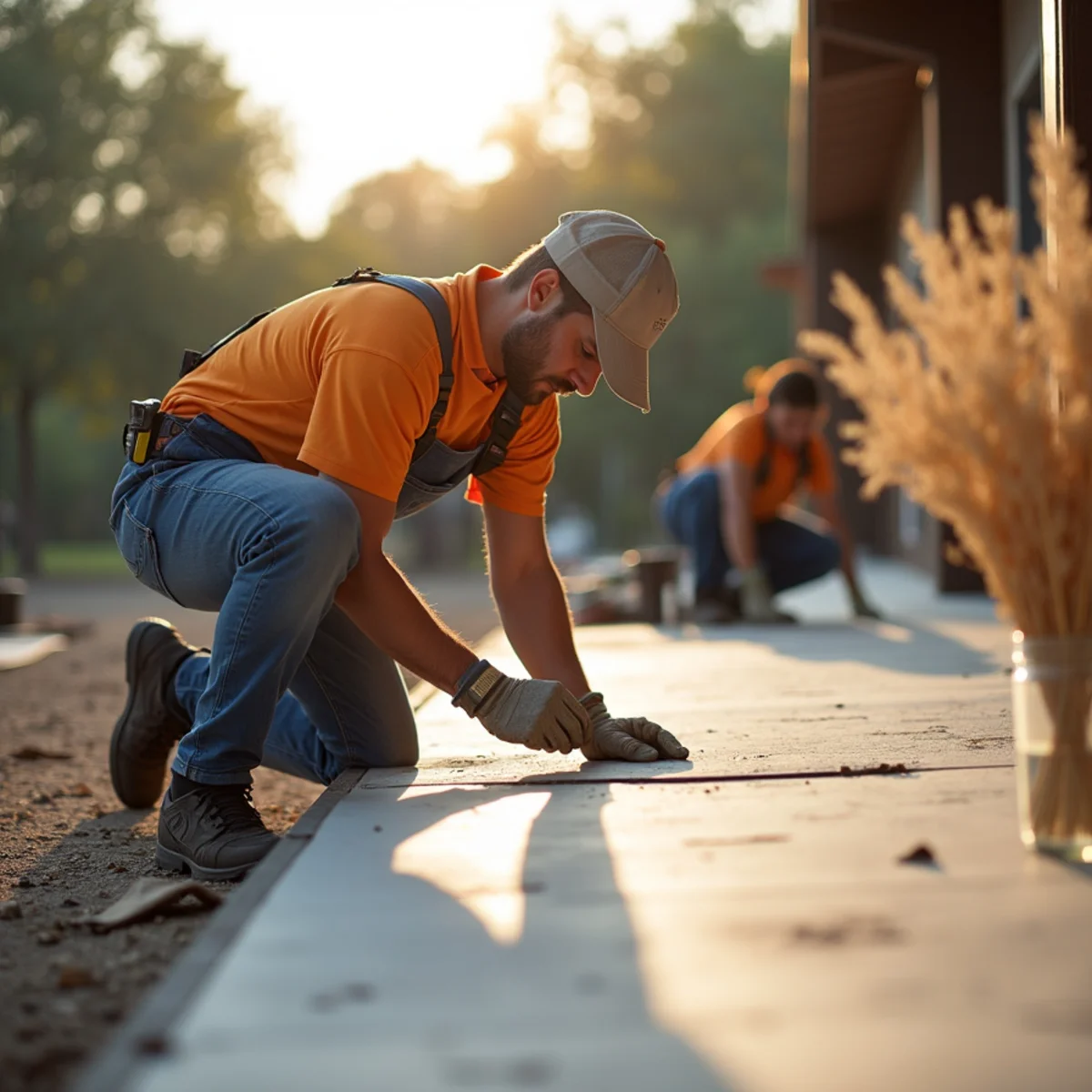
Spring is the second most popular replacement window in Northeast Ohio. After a punishing winter of freeze-thaw expansion and ice dams, many homeowners discover active attic leaks or missing shingles as snow melts in March. Replacing your roof in April or May fortifies your home's envelope before severe summer squall lines and hail events strike the region.
The primary operational challenge in spring is precipitation. Spring showers and sudden cold fronts require roofing crews who monitor Doppler radar in real time. Reputable contractors tear off only what can be completely dried-in with synthetic underlayment that same morning, keeping heavy vinyl tarps staged on site for sudden rain protection.

Summer (July to August): Long Daylight and Rapid Turnarounds
Summer provides the longest daylight hours of the year, allowing experienced roofing crews to complete large, complex residential tear-offs in a single day. Shingle adhesive strips activate almost instantly under direct summer sunlight, forming impervious wind seals within hours of placement.
However, mid-summer heat brings specific technical considerations. When ambient temperatures surpass 85°F, surface roof temperatures frequently exceed 150°F. Excessive surface heat can soften asphalt shingles, making them susceptible to scuffing from work boots if workers do not wear soft-rubber footwear or step carefully. Quality roofing contractors start early at sunrise (6:30 AM) to complete shingle laying before peak afternoon heat.
Winter (December to March): Can You Replace a Roof in Cold Weather?
The short answer is yes—when an emergency strikes, modern residential roofs can be successfully replaced during winter months in Ohio. However, winter installations require strict adherence to cold-weather engineering protocols.
Standard asphalt shingles become rigid and brittle below 40°F, increasing the risk of nail guns over-driving fasteners through shingle mats. Additionally, factory thermal sealant strips will not activate in sub-freezing temperatures. At Zana Roofing, our winter crews keep shingle bundles inside climate-controlled vehicles until installation, lower pneumatic compressor pressures, and manually apply dabs of cold-weather mastic beneath each shingle tab to guarantee wind resistance until warm spring sunshine activates thermal bonds.
Strategic Timing: Booking Windows and Financing
If your roof is over 18 years old or showing signs of advanced granule loss and curling tabs, you should never wait for an active ceiling leak to begin planning. Consulting with a licensed contractor in late spring or mid-summer ensures you secure a prime September or October installation slot before contractors are fully committed for the winter.
| Season | Typical Temperature Range | Sealant Bond Speed | Crew Production Rate | Key Advantages & Considerations |
|---|---|---|---|---|
| Autumn (Sept – Nov) | 50°F to 72°F | Optimal (24–48 hours) | Peak Productivity (Mild weather) | Best overall window; shingles seal before winter; book early as contractors fill fast |
| Spring (April – June) | 45°F to 68°F | Moderate (Requires sunny days) | Good (Weather-dependent) | Replaces winter-damaged shingles before severe summer hail/tornado squalls; rain delays |
| Summer (July – Aug) | 75°F to 92°F+ | Instant (Thermal activation in hours) | Fast starts; early afternoon attic heat | Long daylight hours allow rapid one-day completions; requires foot-scuff protection |
| Winter (Dec – March) | 15°F to 38°F | Dormant (Requires manual cement) | Slower (Short daylight, snow precautions) | Off-peak pricing, zero queue wait times; requires cold-weather hand-tab sealing protocols |
A common question from property owners in Salem and Columbiana is whether an asphalt shingle roof can be safely installed when temperatures drop below 45°F. Modern architectural shingles feature a factory-applied asphalt sealant line that requires thermal heat (typically 45°F to 50°F combined with direct ultraviolet sunlight) to melt, activate, and weld the overlapping shingles together. If a roof must be replaced in November or December due to sudden leak failure, our Zana Roofing crews employ cold-weather installation protocols. We keep shingle bundles stored in heated trailers until the moment they are lifted to the roof, use pneumatic nailers calibrated not to blow through cold-stiffened mats, and manually hand-seal each individual shingle tab with two quarter-sized dabs of SBS-modified asphalt roofing mastic. This provides instant 110-mph blow-off protection until springtime sunshine permanently cures the factory thermal bonds.
Related Local Roofing Services & Coverage
Experiencing issues highlighted in this guide? Our certified roofing crews provide expert seasonal roof replacement with rapid response times across Salem and Columbiana.
All-season residential tear-offs and Owens Corning architectural installations.
Emergency response repairs for windblown shingles, leaks, and fallen branches.
Pre-winter and post-storm 21-point roof and attic diagnostics.
Frequently Asked Questions
Zana Roofing & Construction
Family-owned roofing contractor proudly serving Youngstown and the Mahoning Valley since 2020. Specializing in residential and commercial roof replacement, storm restoration, and 24/7 emergency leak mitigation.